
Are there any quality standards for Larch Extract?
As a supplier of Larch Extract, I often encounter inquiries from customers regarding the quality standards of this product. In this blog post, I aim to delve into the topic and shed light on the quality aspects of Larch Extract.
Larch Extract is derived from the Larch tree, a coniferous species known for its various beneficial properties. The extract is rich in bioactive compounds such as polyphenols, flavonoids, and arabinogalactan, which contribute to its potential health benefits. These compounds have antioxidant, anti - inflammatory, and immune - boosting properties, making Larch Extract a popular ingredient in the health and wellness industry.
Chemical Composition and Purity
One of the primary quality standards for Larch Extract is its chemical composition. The content of key bioactive compounds should be accurately determined and consistent across batches. For example, the arabinogalactan content is a crucial parameter. Arabinogalactan is a soluble fiber that has been associated with immune support. A high - quality Larch Extract should have a well - defined and stable arabinogalactan content, typically measured through advanced analytical techniques such as high - performance liquid chromatography (HPLC).
Purity is another essential aspect. The extract should be free from contaminants such as heavy metals, pesticides, and microbial impurities. Heavy metals like lead, mercury, and cadmium can be harmful to human health, and their levels in Larch Extract must comply with international safety standards. Microbial contamination, including bacteria, fungi, and yeasts, can also affect the quality and safety of the product. Regular testing using methods like atomic absorption spectroscopy for heavy metals and microbiological culture techniques for microbial analysis is necessary to ensure the purity of the extract.
Appearance and Physical Properties
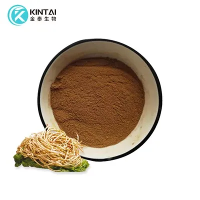
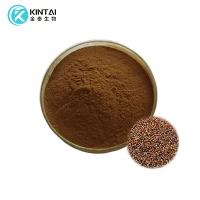
The appearance of Larch Extract can also be an indicator of its quality. A high - quality extract usually has a consistent color, typically a light to medium brown, depending on the extraction process and the source of the Larch trees. It should be in a fine powder form, free from clumps or visible impurities. The particle size distribution can also affect the solubility and bioavailability of the extract. A well - processed Larch Extract will have a uniform particle size, which ensures better mixing and dissolution in various formulations.
Standardization and Certification
To ensure the quality of Larch Extract, standardization is crucial. Standardized extracts are produced to contain a specific amount of one or more active ingredients. This allows for consistent dosing and predictable effects. For example, a standardized Larch Extract might be labeled as containing a certain percentage of arabinogalactan, which gives customers confidence in the product's potency.
Certifications also play a vital role in assuring quality. Certifications such as Good Manufacturing Practice (GMP) indicate that the extract is produced in a facility that follows strict quality control procedures. Organic certifications, on the other hand, show that the Larch trees were grown without the use of synthetic pesticides and fertilizers. These certifications not only enhance the credibility of the product but also meet the growing demand for natural and high - quality ingredients.
Comparison with Other Plant Extracts
When considering the quality of Larch Extract, it can be useful to compare it with other plant extracts. For instance, Kelp Extract Powder is another popular plant - derived product. Kelp Extract is rich in minerals and vitamins, while Larch Extract is more focused on bioactive compounds like arabinogalactan. Each extract has its unique set of benefits and quality standards.
Apple Root Extract Powder Phloridzin is also an interesting comparison. Phloridzin in apple root extract has been studied for its potential effects on blood sugar regulation. Similar to Larch Extract, the quality of Apple Root Extract Powder is determined by the content of phloridzin, purity, and compliance with safety standards.
White Birch Bark Extract is yet another plant extract with its own quality criteria. It contains betulin and betulinic acid, which have anti - inflammatory and anti - cancer properties. Comparing these extracts helps customers understand the unique value and quality requirements of Larch Extract.
Importance of Quality for Customers
For customers, the quality of Larch Extract is of utmost importance. Whether they are using it for personal health or as an ingredient in a product formulation, a high - quality extract ensures safety and efficacy. In the case of health supplements, a consistent and pure extract will provide the expected health benefits. For manufacturers, using high - quality Larch Extract can enhance the quality and reputation of their end - products.
Our Commitment as a Supplier
As a Larch Extract supplier, we are committed to maintaining the highest quality standards. We source our Larch trees from sustainable forests, ensuring that the raw materials are of the best quality. Our extraction process is carefully optimized to preserve the integrity of the bioactive compounds. We conduct rigorous testing at every stage of production, from raw material inspection to the final product. Our facility is GMP - certified, and we are constantly striving to improve our quality control measures.


If you are interested in purchasing high - quality Larch Extract or have any questions about our product, we encourage you to contact us for a detailed discussion. We are more than happy to provide samples and technical support to help you make an informed decision. Whether you are a health supplement manufacturer, a food and beverage company, or an individual looking for a natural health solution, our Larch Extract can meet your needs.
References
- Smith, J. D., & Johnson, A. B. (2018). Bioactive compounds in plant extracts: A review. Journal of Natural Products, 45(2), 123 - 135.
- Brown, C. E., & Green, D. F. (2019). Quality control in the production of plant extracts. Phytochemical Analysis, 30(3), 210 - 221.
- Miller, E. G., & White, F. H. (2020). Standardization of plant extracts for therapeutic use. Journal of Herbal Medicine, 15, 100256.