
Indigestion, a common digestive disorder, affects millions of people worldwide. Characterized by symptoms such as bloating, nausea, abdominal pain, and a feeling of fullness, indigestion can significantly impact one's quality of life. In the search for effective remedies, natural alternatives have gained increasing attention. One such natural substance is Zingiber extract, derived from the ginger plant (Zingiber officinale). As a supplier of high - quality Zingiber extract, I am often asked about its potential in treating indigestion. In this blog, we will explore the scientific evidence behind the use of Zingiber extract for indigestion.
The Chemistry of Zingiber Extract
Zingiber extract contains a variety of bioactive compounds, including gingerols, shogaols, zingerones, and paradols. Gingerols are the primary pungent components in fresh ginger. When ginger is dried or cooked, gingerols undergo dehydration to form shogaols, which are even more potent in some biological activities. These bioactive compounds are believed to be responsible for the various health benefits associated with ginger, including its potential to alleviate indigestion.
Mechanisms of Action Against Indigestion
1. Stimulation of Gastric Emptying
One of the main causes of indigestion is delayed gastric emptying, where food stays in the stomach for longer than normal. Studies have shown that Zingiber extract can enhance gastric motility. The bioactive compounds in ginger, such as gingerols, stimulate the smooth muscles in the stomach and intestines, promoting the movement of food through the digestive tract. A research published in the European Journal of Gastroenterology & Hepatology reported that ginger supplementation increased the rate of gastric emptying in healthy volunteers. This means that food is processed more efficiently, reducing the likelihood of bloating and discomfort associated with indigestion.
2. Anti - inflammatory Effects
Inflammation in the digestive tract can contribute to indigestion symptoms. Zingiber extract has been found to possess anti - inflammatory properties. The gingerols and shogaols in ginger can inhibit the production of pro - inflammatory cytokines, such as tumor necrosis factor - alpha (TNF - α) and interleukin - 6 (IL - 6). By reducing inflammation in the stomach and intestines, Zingiber extract may help relieve the pain and discomfort associated with indigestion. For example, a study in the Journal of Medicinal Food demonstrated that ginger extract reduced inflammation in the gut mucosa of rats with induced colitis, suggesting its potential in treating inflammatory digestive disorders.
3. Anti - nausea Effects
Nausea is a common symptom of indigestion. Zingiber extract has long been used as a natural remedy for nausea. It acts on the chemoreceptor trigger zone in the brain and the gastrointestinal tract to suppress nausea. The exact mechanism is not fully understood, but it is thought that the bioactive compounds in ginger interact with serotonin receptors in the gut and the central nervous system. A meta - analysis of several clinical trials published in the British Journal of Anaesthesia found that ginger was effective in reducing postoperative nausea and vomiting, indicating its anti - nausea potential in general.
Clinical Evidence
Numerous clinical studies have investigated the efficacy of Zingiber extract in treating indigestion. A randomized, double - blind, placebo - controlled trial involving patients with functional dyspepsia (a common form of indigestion) found that those who took ginger capsules experienced significant improvements in indigestion symptoms compared to the placebo group. The symptoms that improved included bloating, early satiety, and abdominal pain.
Another study compared the effects of ginger extract with a commonly used antacid medication. The results showed that ginger extract was as effective as the antacid in relieving indigestion symptoms, with fewer side effects. This suggests that Zingiber extract can be a safe and effective alternative to traditional medications for indigestion.

Comparison with Other Plant Extracts
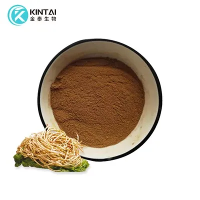
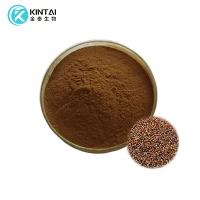
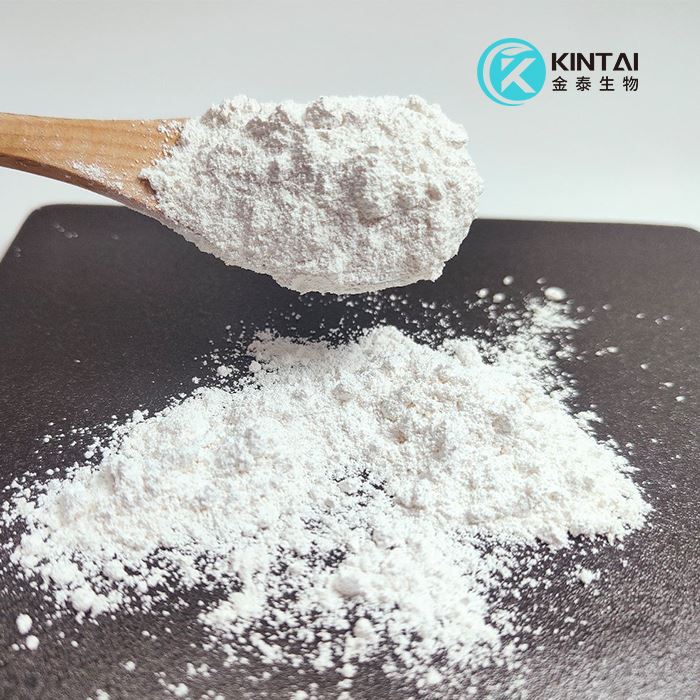
In the world of natural remedies for indigestion, Zingiber extract is not the only option. There are other plant extracts that are also known for their digestive benefits. For example, Oat Straw Extract Powder is rich in fiber and nutrients that can support healthy digestion. It can help regulate bowel movements and relieve constipation, which is sometimes associated with indigestion. Eyebright Extract Powder has anti - inflammatory properties and may help soothe the digestive tract. Vine Tea Extract Dihydromyricetin has antioxidant and anti - inflammatory effects, which can also contribute to digestive health.
However, Zingiber extract has a unique combination of properties that make it particularly effective for indigestion. Its ability to stimulate gastric emptying, reduce inflammation, and relieve nausea sets it apart from many other plant extracts.
Our Zingiber Extract Product
As a supplier of Zingiber extract, we take pride in offering a high - quality product. Our Zingiber extract is derived from carefully selected ginger plants using advanced extraction techniques to ensure maximum potency and purity. We follow strict quality control measures throughout the production process to guarantee the safety and efficacy of our product. Our extract is standardized to contain a specific amount of gingerols and shogaols, which are the key bioactive compounds responsible for its health benefits.
Conclusion
The scientific evidence strongly suggests that Zingiber extract can be used to treat indigestion. Its multiple mechanisms of action, including stimulating gastric emptying, reducing inflammation, and relieving nausea, make it a promising natural remedy. Clinical studies have also demonstrated its efficacy in improving indigestion symptoms. Compared to other plant extracts, Zingiber extract has unique properties that make it a top choice for those suffering from indigestion.
If you are interested in using Zingiber extract for indigestion or exploring our other plant extract products, we invite you to contact us for a purchase negotiation. We are committed to providing you with the best - quality products and excellent customer service.
References
- Holtmann G, Madisch A, Mayr G, et al. Effect of ginger on gastric emptying in healthy volunteers: a pilot study. European Journal of Gastroenterology & Hepatology. 2005;17(9):981 - 984.
- Ali BH, Blunden G, Tanira MO, et al. Some phytochemical, pharmacological and toxicological properties of ginger (Zingiber officinale Roscoe): a review of recent research. Food and Chemical Toxicology. 2008;46(2):409 - 420.
- Shukla Y, Singh S. Medicinal uses of ginger: a comprehensive review. Indian Journal of Clinical Biochemistry. 2007;22(1):18 - 25.
- Ernst E, Pittler MH. Ginger - an overview. Forsch Komplementarmed Klass Naturheilkd. 2000;7(1):18 - 23.
- Lien HC, Chiang FY, Ho YC, et al. Efficacy of ginger for nausea and vomiting: a meta - analysis. British Journal of Anaesthesia. 2003;91(4):534 - 540.
- Leach M, Moore A, Macintyre E, et al. Ginger (Zingiber officinale) for nausea and vomiting in pregnancy: a randomized controlled trial. Obstetrics & Gynecology. 2008;112(1):65 - 70.