
Hey there! As a supplier of Aescinate, I often get asked a whole bunch of questions about it, and one that pops up quite a bit is, "Can children take Aescinate?" Well, let's dig into this topic and find out.
First off, let's talk a bit about what Aescinate is. Aescinate is a natural compound that's extracted from the horse chestnut tree. It's got some pretty cool properties, mainly anti - inflammatory and venotonic effects. That means it can help reduce swelling and improve blood flow in the veins. It's been used in medicine for a while to treat things like chronic venous insufficiency, which is when the veins in your legs have a hard time sending blood back to the heart, and it can also help with swelling after injuries.
Now, when it comes to children, things get a bit more complicated. There isn't as much research on children taking Aescinate as there is on adults. The main reason is that most of the initial studies were focused on adult populations, and children's bodies are different. They're still growing and developing, and their organs might not process medications in the same way as adults.
One of the big concerns with giving Aescinate to children is the dosage. Figuring out the right amount for a child is tricky because it depends on their age, weight, and overall health. Giving too much could potentially lead to side effects, and giving too little might not have the desired effect. Some of the possible side effects of Aescinate in general include stomach upset, nausea, and allergic reactions. In children, these side effects could be even more concerning because they might not be able to communicate how they're feeling as well as adults can.
Another thing to consider is the reason why a child might need Aescinate. If it's for something like swelling after a minor injury, there are usually other, more well - studied and safer options available. For example, simple things like rest, ice, compression, and elevation (RICE) are often the first line of treatment for injuries in children. These methods are non - invasive and have been used for ages with good results.
However, there might be some cases where a doctor could consider prescribing Aescinate to a child. For instance, if a child has a more serious venous problem, and other treatments haven't worked. But this would be a very rare situation, and the doctor would have to carefully weigh the potential benefits against the risks.
It's also important to note that Aescinate should never be given to children without a doctor's advice. Self - medicating children is extremely dangerous, and it can lead to all sorts of problems. Even if you think you know what's wrong with your child, only a medical professional can accurately diagnose the condition and determine if Aescinate is appropriate.
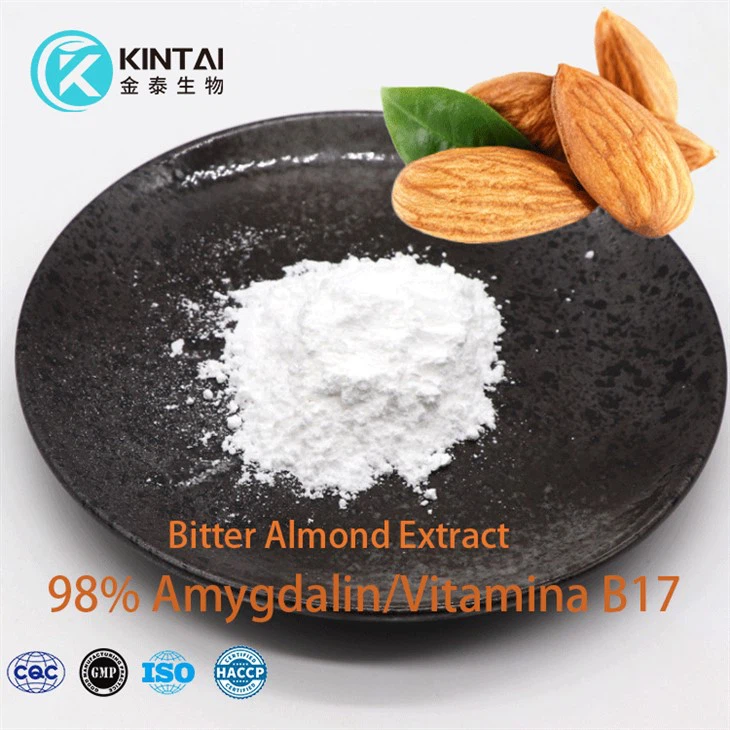
Now, let's talk about some related products. If you're interested in natural extracts, you might want to check out Bitter Almond Extract. It has its own set of uses in the pharmaceutical industry. Another one is Esculin Hydrate, which is also related to the horse chestnut family and has some interesting properties. And then there's Pyrethrum Extract Pyethrins Powder, which is used in various applications.
As a supplier of Aescinate, I understand that there's a lot of interest in natural products, and people are always looking for solutions to their health problems. But when it comes to children, safety is the top priority. I always recommend that parents and caregivers have an open and honest conversation with their child's doctor before considering any new medication or supplement.
If you're a medical professional or a business interested in sourcing high - quality Aescinate, we're here to help. We've got a reliable supply of Aescinate that meets strict quality standards. Whether you're doing research on new treatments or looking to include Aescinate in your product line, we can work with you. Just reach out to us, and we can start a conversation about your specific needs.

In conclusion, while Aescinate has some potential benefits, the question of whether children can take it is a complex one. It's not a decision that should be made lightly, and it should always involve a medical professional. Remember, the health and well - being of our little ones is of utmost importance.
References:
- Medical textbooks on pediatric pharmacology
- Research studies on Aescinate in adult and pediatric populations
- Guidelines from medical associations on the use of medications in children