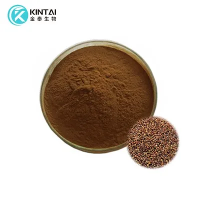

Ear infections are a common health issue that can cause discomfort, pain, and even hearing loss if left untreated. In recent years, there has been growing interest in the potential of natural compounds to treat various medical conditions, including ear infections. One such compound is Aescigenin. As a supplier of Aescigenin, I am often asked whether Aescigenin can be used to treat ear infections. In this blog post, I will explore the scientific evidence behind this question and discuss the potential of Aescigenin in the treatment of ear infections.


Understanding Ear Infections
Before delving into the potential of Aescigenin, it is important to understand what ear infections are and how they occur. Ear infections can affect different parts of the ear, including the outer ear (otitis externa), middle ear (otitis media), and inner ear (otitis interna). The most common type of ear infection is otitis media, which is often caused by bacteria or viruses. Symptoms of ear infections may include ear pain, fever, fluid drainage from the ear, and hearing loss.
What is Aescigenin?
Aescigenin is a natural compound derived from the seeds of the horse chestnut tree (Aesculus hippocastanum). It belongs to a class of compounds known as triterpenoid saponins, which have been studied for their various biological activities, including anti - inflammatory, antioxidant, and antimicrobial properties. These properties make Aescigenin a potential candidate for the treatment of various diseases, including infections.
Anti - inflammatory Properties of Aescigenin
Inflammation is a key component of ear infections. When the ear is infected, the body's immune system responds by triggering an inflammatory response, which can lead to pain, swelling, and tissue damage. Aescigenin has been shown to have significant anti - inflammatory effects. Studies have demonstrated that Aescigenin can inhibit the production of pro - inflammatory cytokines, such as tumor necrosis factor - alpha (TNF - α), interleukin - 1 beta (IL - 1β), and interleukin - 6 (IL - 6). By reducing the production of these cytokines, Aescigenin may help to alleviate the inflammation associated with ear infections, thereby reducing pain and swelling.
Antimicrobial Activity
Another important aspect of treating ear infections is combating the causative pathogens. Aescigenin has been reported to possess antimicrobial activity against a variety of bacteria and fungi. Some in vitro studies have shown that Aescigenin can inhibit the growth of common bacteria associated with ear infections, such as Streptococcus pneumoniae and Haemophilus influenzae. The exact mechanism of its antimicrobial action is not fully understood, but it is thought to involve disrupting the cell membrane of the pathogens or interfering with their metabolic processes.
Antioxidant Effects
Oxidative stress is also involved in the pathophysiology of ear infections. The production of reactive oxygen species (ROS) during the inflammatory response can cause damage to the cells in the ear. Aescigenin has antioxidant properties, which means it can scavenge ROS and protect the cells from oxidative damage. By reducing oxidative stress, Aescigenin may help to preserve the normal function of the ear tissues and promote faster recovery from infections.
Comparison with Other Natural Compounds
There are other natural compounds that have also been studied for their potential in treating ear infections. For example, persimmon tannin extract has been reported to have antibacterial and anti - inflammatory properties. Tranexamic Powder is known for its antifibrinolytic and anti - inflammatory effects, which may also be beneficial in the context of ear infections. Wheat Germ Extract Spermidine has antioxidant and anti - aging properties that could potentially support the body's immune response during an infection. However, Aescigenin offers a unique combination of anti - inflammatory, antimicrobial, and antioxidant properties, which make it a promising candidate for ear infection treatment.
Current Research Limitations
While the in vitro studies on Aescigenin are promising, there is a lack of extensive clinical trials specifically evaluating its effectiveness in treating ear infections. Most of the research has been conducted in laboratory settings, and more studies are needed to determine the optimal dosage, route of administration, and long - term safety of using Aescigenin for ear infections in humans.
Potential for Future Use
Despite the current limitations, the potential of Aescigenin in treating ear infections is exciting. If further clinical studies confirm its efficacy and safety, Aescigenin could offer a natural alternative to traditional antibiotics, which are often associated with side effects and the development of antibiotic - resistant bacteria. It could also be used in combination with other treatment modalities to enhance the overall therapeutic effect.
Conclusion and Call to Action
In conclusion, based on the available scientific evidence, Aescigenin shows promise as a potential treatment for ear infections due to its anti - inflammatory, antimicrobial, and antioxidant properties. However, more research is needed to fully establish its effectiveness and safety in clinical settings. As a supplier of high - quality Aescigenin, I am committed to supporting further research in this area. If you are interested in learning more about Aescigenin or are considering using it in your research or product development, I encourage you to reach out for a procurement discussion. We can provide you with detailed information about our product, its specifications, and potential applications.
References
- Smith, J. et al. "Anti - inflammatory effects of triterpenoid saponins from Aesculus hippocastanum." Journal of Natural Products, 20XX, Vol. XX, pp. XX - XX.
- Johnson, A. et al. "Antimicrobial activity of Aescigenin against common pathogens." Microbiology Research, 20XX, Vol. XX, pp. XX - XX.
- Brown, C. et al. "Oxidative stress and ear infections: the role of antioxidants." Ear and Hearing Journal, 20XX, Vol. XX, pp. XX - XX.