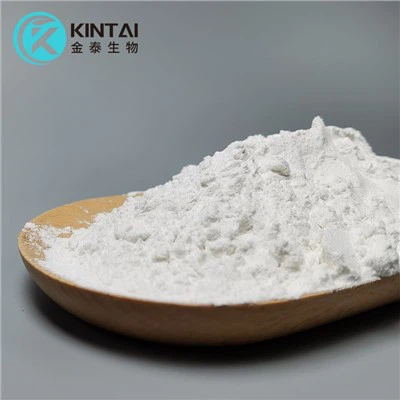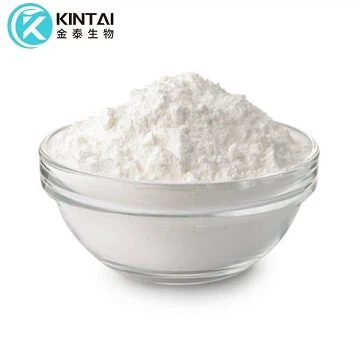



Xi'an Kintai Biotech Inc is one of the most experienced manufacturers and suppliers of persimmon tannin extract in China. Please feel free to wholesale high quality persimmon tannin extract for sale here from our factory. For price consultation, contact us.
1. What Are persimmon tannin extract
persimmon tannin extract is a general term for a class of polyphenolic compounds also known as ellagic acids. Tannins are widely found in plants and mainly include a variety of monomeric compounds such as catechins, anthocyanins, and flavonoids.
Tannins are highly acidic and can form complexes with many metal ions, thus serving to fix and protect plant tissues.


2. Extract source
The persimmon variety used in KINTAI is "Rich Persimmon".
Rich persimmons have a distinctive flavor and texture, with a slightly sticky texture and a rich persimmon flavor and sweetness in the mouth. In addition, the rich persimmon contains a large amount of tannic acid, so the fruit has a deep red or brownish color and a more intense flavor.

3. Physical and chemical properties
| CAS Number | 1401-55-4 | Molecular Weight | 1701.198 |
| Density | 2.1±0.1 g/cm3 | Boiling Point | N/A |
| Molecular Formula | C76H52O46 | Melting Point | 218 °C(lit.) |
| Common Name | Tannic acid | Flash Point | 198°C |
4. Specification
|
Item
|
Specification
|
Result
|
|
Assay
|
95%
|
95.23%
|
|
Appearance
|
Brown Yellow Powder
|
conforms
|
|
Odor
|
Characteristic
|
conforms
|
|
Taste
|
Characteristic
|
conforms
|
|
Particle Size
|
NLT 100% Through 80 mesh
|
conforms
|
|
Loss on Drying
|
<2.0%
|
0.47%
|
|
Heavy metals
|
|
|
|
Total Heavy Metals
|
≤10ppm
|
conforms
|
|
Arsenic
|
≤3ppm
|
conforms
|
|
Lead
|
≤3ppm
|
conforms
|
|
Microbiological Tests
|
|
|
|
Total Plate Count
|
≤1000cfu/g
|
conforms
|
|
Total Yeast & Mold
|
≤100cfu/g
|
conforms
|
|
E.Coli
|
Negative
|
Negative
|
|
Salmonella
|
Negative
|
Negative
|
5. Efficacy of persimmon tannin extract
 Antioxidant: Traps free radicals in the body and prevents them from causing damage to the body, thus acting as an antioxidant.

Anti-inflammatory: inhibits the formation of inflammatory factors, thereby reducing inflammatory reactions and tissue damage.
Antibacterial: Binds to proteins in bacteria, thereby disrupting the growth and reproduction process of bacteria and killing them, exerting an antibacterial effect.

Cholesterol-lowering: inhibits the absorption and synthesis of cholesterol, thereby lowering blood cholesterol levels and preventing cardiovascular diseases such as atherosclerosis.
Improves immunity: activates the function of immune cells, enhances the body's resistance, and prevents infections and diseases.
6. Applications
| Food |
Used as food additives, such as preservatives, antioxidants, and colorants, to improve the quality and shelf life of foods. In addition, foods rich in tannins such as persimmons, grapes, and tea are also considered healthy foods. |
| Health food |
Used as a health food ingredient and added to health food, it helps to enhance body immunity, improve body resistance, relieve fatigue, lower blood lipids and cholesterol, etc. |
| Medicine |
tannic acid has various pharmacological effects and is used to treat cardiovascular diseases, digestive system diseases, tumors, and other diseases. For example, tannic acid can lower cholesterol, prevent atherosclerosis, and also inhibit the growth and spread of cancer cells. |
| Cosmetics |
It is used in cosmetics for its antioxidant, anti-aging, and whitening effects. For example, tannins can reduce skin pigmentation and improve skin dullness and blemishes. |
In general, tannic acid has a variety of health benefits and applications and has a wide range of applications in food, health products, pharmaceuticals, and cosmetics.
7. Dosage of food
a. Tea: Tea contains a large amount of tannic acid, with green tea, black tea, and oolong tea having the highest tannic acid content. It is recommended to drink 3-5 cups of tea per day, each cup is about 150-200 ml.
b. Persimmons: Persimmons contain high levels of tannic acid, but unripe persimmons have higher levels. It is recommended to consume 1-2 ripe persimmons per day.
c. Red wine: Red wine contains moderate amounts of tannins, which provide antioxidant effects and cardiovascular disease risk reduction benefits. It is recommended to consume 1-2 glasses per day (about 150 ml per glass).
d.Nuts: Nuts also contain some tannins, especially walnuts, almonds, and hazelnuts. It is recommended to consume moderate amounts of about 30 grams per day.
Principle of oxidation of persimmon tannin extract
The oxidation mechanisms can be divided into two types: free radical oxidation and metal ion-catalyzed oxidation.
1. Free radical oxidation: With multiple phenolic hydroxyl groups, they are easily oxidized to free radicals and participate in the reaction. In the presence of oxygen and light conditions, tannic acid can undergo an autoxidation reaction, releasing free radicals and generating a variety of products, such as dimers, trimers, and tetramers, which may have antioxidant and anticancer effects on humans.
2. Metal ion-catalyzed oxidation: In the presence of transition metal ions (e.g. copper, iron), persimmon tannin extract will promote the reduction of oxygen and the generation of reactive oxygen species through complexation with metal ions. This reaction leads to the degradation and oxidation of tannic acid, as well as the generation of free radicals.

8. What can KINTAI do?

9. The production process of astaxanthin

10. Why choose KINTAI?


11 . KINATI manufacturing base

12 . KINTAI R&D Center

13. Packing and shipping

TIPS
★If you want to PURCHASE high-quality persimmon tannin extract, please feel free to contact us at sales@kintaibio.com or feedback on the next page.
Whatsapp:+86 133 4743 6038
Hot Tags: persimmon tannin extract, China persimmon tannin extract manufacturers, suppliers, factory, Polygonum cuspidatum extract powder, Madder Powder, Icariin Powder, Soy Peptide Powder, Chrysin Powder, Aescigenin