


Xi'an Kintai Biotech Inc is one of the most experienced manufacturers and suppliers of pyrroloquinoline quinone powder in China. Please feel free to wholesale high quality pyrroloquinoline quinone powder for sale here from our factory. For price consultation, contact us.
What are PQQs?
pyrroloquinoline quinone powder is PQQ. It is sometimes called methixetine, pyrroloquinoline powder disodium salt, and longevity vitamin. It is a compound made by bacteria and is found in fruits and vegetables. It is not only an antioxidant but also a retinoid cofactor important for health and disease prevention.

Source of PQQ
PQQ in bacteria helps them digest alcohol and sugar to produce energy. This energy helps them survive and grow. Animals and plants do not use PQQ like bacteria, but it is a growth factor that helps plants and animals grow. It also seems to help them cope with stress. Plants take up PQQ from bacteria in the soil. They use it to grow and then find it in fruits and vegetables. It occurs naturally in many different foods, including:
- Fermented soybeans or natto
- Green pepper
- kiwi fruit
- coriander
- Tea
- pawpaw
- spinach
- celery
It is also often found in breast milk. This may be because it is absorbed from the fruits and vegetables you eat and passes into your milk. Some say PQQ is an essential vitamin because at least one animal enzyme needs PQQ to make other compounds. Animals seem to need it to grow and develop properly, but it's unclear if it's essential for people when you have PQQ in your body so often.
Chemical & Physical Properties
| Common Name | pyrroloquinoline quinone powder | Flash Point | 569.8±34.3 °C |
| CAS Number | 72909-34-3 | Molecular Weight | 330.206 |
| Density | 2.0±0.1 g/cm3 | Boiling Point | 1018.6±65.0 °C at 760 mmHg |
| Molecular Formula | C14H6N2O8 | Melting Point | N/A |

Product quality specification & standard
|
Product name |
pyrroloquinoline quinone powder |
|
Appearance |
brownish red powder |
|
Solubility |
DMSO (Slightly), Methanol (Slightly) |
|
Identification |
HPLC |
|
Heavy metals |
NMT 20 PPM |
|
Loss On Drying |
NMT 5.0% |
|
Powder size |
80Mesh, NLT90% |
|
Assay |
Min. 95.0% |
|
Residual Solvents |
|
|
- Ethanol |
NMT 5000 PPM |
|
Microbiological Quality (Total viable aerobic count) |
|
|
- Bacteria, CFU/g, not more than |
NMT 10³ |
|
- Moulds and yeasts, CFU/g, not more than |
NMT 10² |
|
- E.coli, Salmonella, S. aureus, CFU/g |
Absence |
|
Storage |
In a Tight, Light-resistant, and Dry Place. Avoid Direct Sunshine. Country of Origin: China |
|
Shelf life |
3 years |
Chemical and Biological Mechanisms of PQQ
pyrroloquinoline quinone powder is an aromatic water-soluble quinone with chemical properties similar to those of ascorbic acid, riboflavin, and pyridoxal-5-phosphate combined into one molecule. For example, both the oxidized (PQQ ox) and reduced (PQQH 2 ) forms of PQQ undergo redox cycling. PQQ is also used as a dehydrogenase cofactor, free radical scavenger and amine oxidase catalyst. PQQ is highly electrophilic and reacts with many substances such as various carbonyl reagents such as hydrazine, hydroxylamine and semicarbazides. In addition, PQQ forms complexes with acetone, aminoguanidine, urea, various diamines, and divalent metals. In addition, PQQ reacts with ammonia to form iminoquinones, lactones under acidic conditions, and dihydrates under neutral and alkaline conditions.
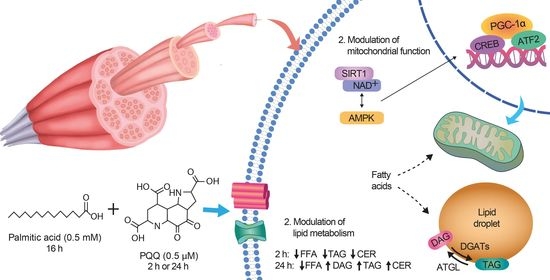
PQQ does not readily autoxidize or condense into inactive forms. Therefore, when compared on a molar basis, PQQ is 100 to 1000 times more efficient in redox cycling assays than other enediols such as ascorbic acid and menadione, as well as many isoflavones, phytoalexins, and polyphenolic compounds. As a redox cofactor, PQQ is able to catalyze sequential redox reactions involving the oxidation of thiols, riboflavin, ubiquinone, terminal cytochromes, α-tocopheryl radicals, and nicotinamide adenine dinucleotide cofactors. As an antioxidant, PQQH 2 can act as an aryloxyl radical scavenger, even better than alpha-tocopherol against peroxyl radicals. Furthermore, combined with α-tocopherol, PQQH 2 can protect α-tocopherol by reducing α-tocopherol free radicals generated during the oxidation of polyunsaturated lipids.
https://www.ncbi.nlm.nih.gov/pmc/articles/PMC8533503/
The power of PQQ
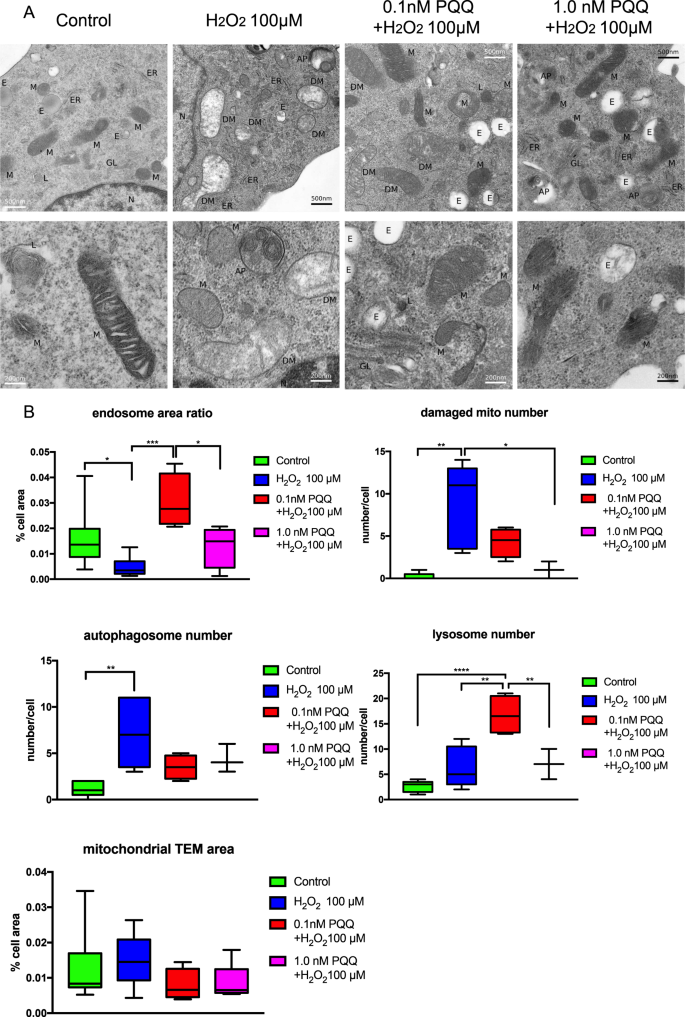
The enormous amount of energy generated inside mitochondria exposes them to constant free radical activity, which causes mitochondria to decay over time. PQQ protects and supports the fragile mitochondrial structure, promoting youthful cellular function by promoting the formation of new mitochondria and supporting mitochondrial defense through its antioxidant capacity.
Benefits
(1) Antioxidant.
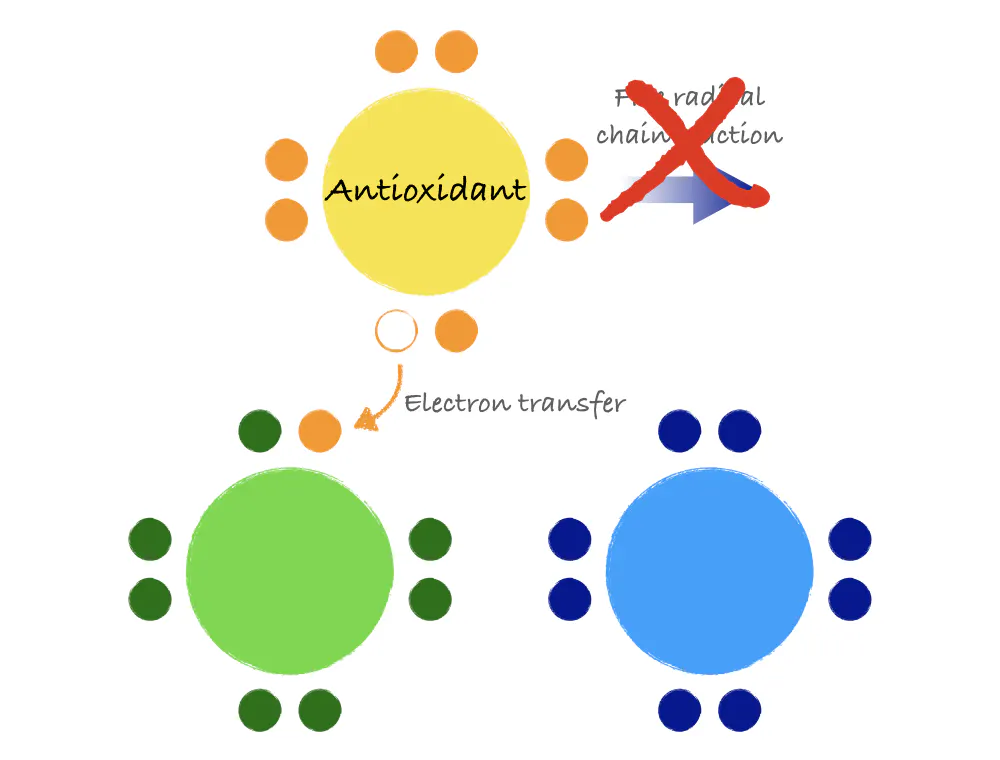
When your body breaks down food into energy, it also produces free radicals. Normally, your body can get rid of free radicals, but when there are too many free radicals, they can cause damage that can lead to chronic disease. Antioxidants fight free radicals.PQQ is an antioxidant that, according to research, is more effective than vitamin C at fighting free radicals. Antioxidants work better synergistically, so it's unclear whether taking PQQ alone as a supplement would help prevent any disease. One study tested a PQQ supplement in men who performed 6 weeks of aerobic exercise. It increases mitochondria by affecting certain proteins during exercise.
(2) Anti-diabetic.
Mitochondrial problems are partly to blame for diabetes. Lifestyle choices such as exercise, food, stress and sleep can affect mitochondrial health. Animal data suggest that PQQ supplementation repairs mitochondrial problems caused by diabetes and makes diabetic mice respond better to insulin. However, there isn't any evidence that PQQ can help people with diabetes.
(3) Anti-inflammatory.
PQQ may reduce inflammation by lowering C-reactive protein, interleukin 6, and other markers in the blood.

(4) Nootropic. Substances that help memory, concentration, and learning are sometimes called nootropics. Research shows that PQQ increases blood flow to the cerebral cortex. This is the part of the brain that helps focus, think, and remember. This supplement may also cause memory problems in older adults.

(5) Sleep and mood. PQQ may help improve and prolong sleep. By alleviating fatigue, it may also help improve mood. While there has been some research on PQQ, there isn't enough evidence to know for sure whether any of these health benefits will help you.
Safety of PQQ Supplements
PQQ in food is different from PQQ supplements. These supplements are usually powders, made through a bacterial fermentation process. The maximum recommended daily dose for adults is 20 mg, except for pregnant or breastfeeding women. This supplement contains 250 times more PQQ than you get from food. In the few human studies of PQQ, there were no side effects with short-term use. There were no reports of allergy or toxicity.
Biosynthesis
The PQQ produced by Kintai is mainly biosynthetic, and the biosynthetic method is introduced below
A novel aspect of PQQ is its biosynthesis in bacteria from the ribosome-translated precursor peptide PqqA ( UniProt P27532 ). In the first step of PqqA modification, glutamate and tyrosine in PqqA are cross-linked by the radical SAM enzyme PqqE ( P07782 ) with the help of PqqD ( P07781 ). The protease then releases the Glu-Tyr molecule from the peptide backbone. PqqB ( P07779 ) oxidizes the 2 and 3 positions on the tyrosine ring to form a quinone, which rapidly becomes AHQQ and completes the pyridine ring. PqqC ( P07780 ) then forms the final pyrrole ring.

The Production Process

Why Choose Kintai?

Kintai Can Help Build Your Success By

Packing and Shipping

If you want to purchase high-quality pyrroloquinoline quinone powder, please feel free to contact us at sales@kintaibio.com or feedback on the next page.
Hot Tags: pyrroloquinoline quinone powder, China pyrroloquinoline quinone powder manufacturers, suppliers, factory, Beta Carotene Powder, Moringa Extract, Banana Fruit Powder, Creatine Pyruvate Powder, Myricetin Powder , Amygdalin Powder