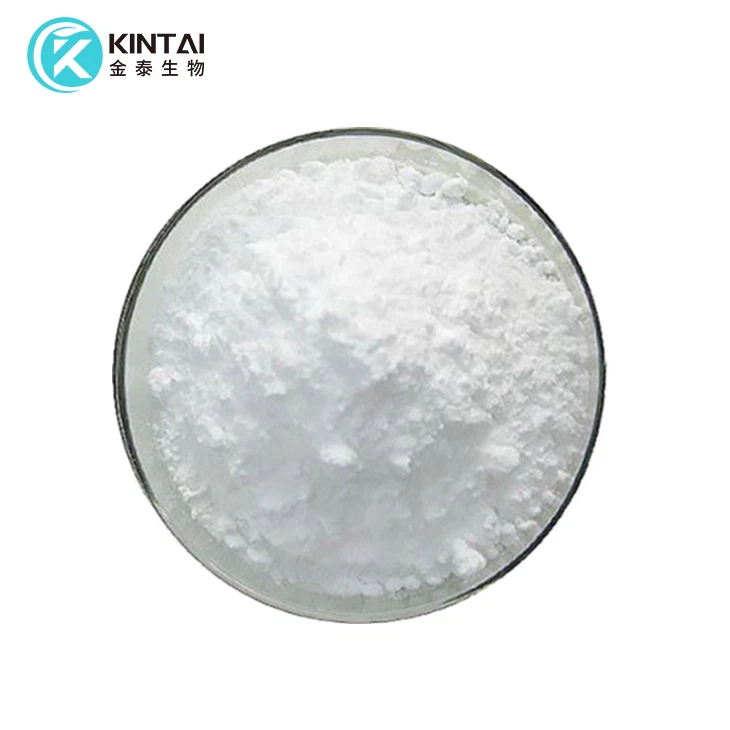



98% naringin powder suppliers
Kintaibio® naringin powder is a standardized plant extract extracted and refined from Citrus paradisi. Its main component, Naringin, is a natural bioflavonoid belonging to the flavanone class. This product undergoes a rigorous quality control process to ensure that the Naringin content, as determined by HPLC, is no less than 98%, making it suitable for raw material needs in the food, health supplement, and cosmetic industries.
Our 98% naringin powder is prepared using an acid hydrolysis method. This process is a known, efficient method for obtaining naringin from citrus raw materials. Its advantages include a short reaction cycle, the ability to achieve large-scale production, and the final yield of a high-purity target product.


The following is basic information about our product:
- Common Name: Naringin
- Chemical Name: 4',5,7-Trihydroxyflavanone-7-rutin
- Naringin Formula: C₂₇H₃₂O₁₄
- CAS Number: 10236-47-2
- Specification: ≥ 98%
- Appearance: Off-white to slightly yellow fine powder

Based on existing literature data and our internal testing, this product possesses the following physicochemical properties:
Naringin Solubility:
- Naringin solubility in water: The solubility of naringin in water is temperature-dependent. According to our team's research, its solubility increases significantly with increasing temperature. Solubility is limited in water at room temperature, but improves in hot water (e.g., above 35°C), a characteristic that makes it easier to handle and disperse in hot water or liquid systems.
- Organic Solvent Solubility: This product is readily soluble in polar organic solvents such as ethanol and acetone, which opens up possibilities for its application in various dosage forms (e.g., tinctures, concentrates, etc.).
- Melting Point: The melting point of anhydrous naringin is approximately 171°C. When crystallized from water, it forms a hydrate with 6 water molecules, with a melting point of approximately 83°C. Our product is dried at 110°C to ensure a stable anhydrous form.
- Sensory characteristics: Naringin has a strong bitter taste, which can be detected in aqueous solutions at concentrations as low as 0.01%. This characteristic makes it valuable in applications where a characteristic bitter taste needs to be introduced (such as certain functional beverages and appetite stimulants); in applications where bitterness needs to be avoided, processing techniques such as microencapsulation are required.
As a B2B supplier of naringin raw materials, we suggest use
Liquid Formulations: Taking advantage of its high solubility in hot water, it is recommended to add it to the aqueous phase during the heating stage (above 35°C) to ensure complete dissolution and system homogeneity.
Solid Formulations: This product is a fine powder, easily and uniformly mixed with other ingredients in solid beverages, tablets, capsules, etc.
Flavor Management: Please pay close attention to its strong bitterness. Flavor evaluation should be conducted early in product development, and appropriate flavor masking or blending strategies should be designed.
Stability: This product is chemically stable, but storage in a cool, dry, and dark place is still recommended to ensure long-term stability.
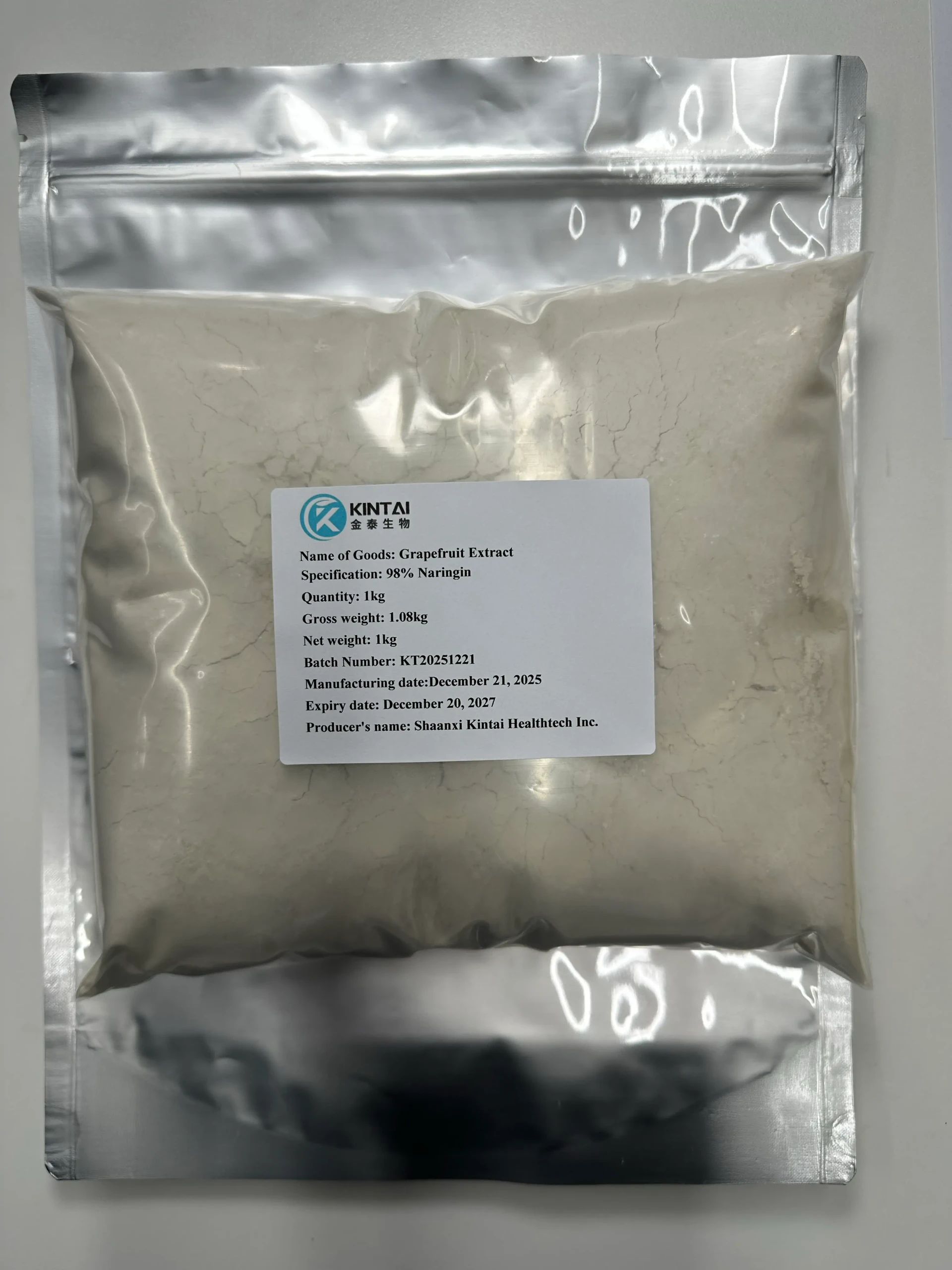
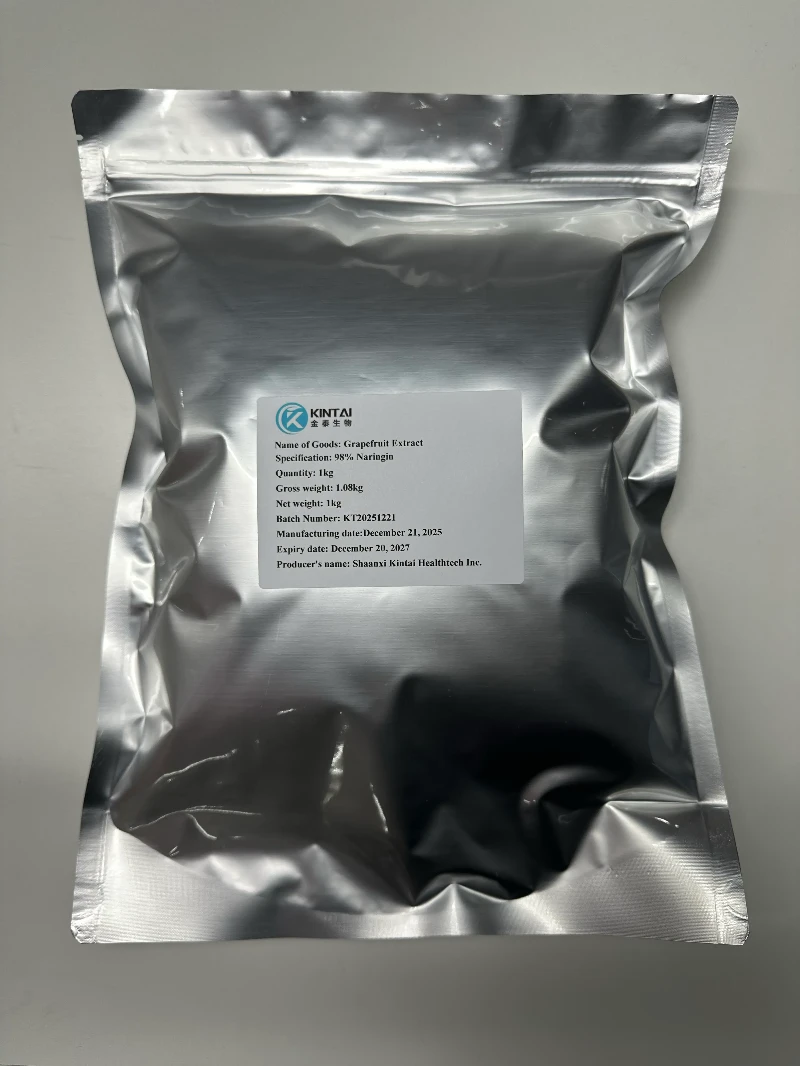
Our 98% naringin, with its high purity, well-defined characteristic parameters, efficient acid hydrolysis production process, and multiple bioactivities, is an ideal raw material choice for developing health products with antioxidant, anti-inflammatory, and distinctive flavors. We are willing to provide full support for your product development. For sample support, please contact sales@kintaibio.com.
naringin sources
Naringin, a naturally occurring flavanone, is predominantly present in various citrus fruits. Citrus × paradisi (grapefruit), particularly the white varieties, represents the most concentrated source. Additional significant citrus sources include Citrus sinensis (orange) and Citrus limon (lemon).
Beyond the genus Citrus, several other botanical sources contain notable levels of Naringin. These include Solanum lycopersicum (tomato), which is classified as a berry, as well as fruits from the genera Prunus (cherry) and Vaccinium (blueberry). The incorporation of these plant-based foods into the diet contributes to the intake of this bioactive flavonoid.
Naringin vs naringenin VS naringinase powder
To understand the core value of our products, several key concepts need to be clarified:
Naringin: This is the main active ingredient in our extract powder, belonging to the flavonoid glycoside family. It is naturally found in grapefruit and is the primary source of its characteristic bitterness.
Naringenin: This is the aglycone form of naringin, produced in the human body or through in vitro enzymatic hydrolysis. Studies have shown that naringenin is a key metabolite for exerting various health benefits. After our bodies ingest naringin, the gut microbiota converts it into naringenin for absorption and utilization.
Naringinase:This is a crucial bioenzyme. In the juice industry, we use it to precisely hydrolyze naringin, converting it into tasteless naringenin, thus efficiently debittering juice. We utilize biotechnology to transform natural raw materials (naringin) into different forms of products, such as debittered juice and high-purity naringenin, based on market demand.
difference between naringin and naringenin
Naringin is the storage form and precursor, while naringenin is the absorption form and functional unit. Naringinase is the key technology that enables the precise conversion between the two.
| Compound | Chemical Properties | Primary Sources | Characteristics & Uses |
|---|---|---|---|
| Naringin | A flavanone glycoside (bound to rutinose) | Primarily found in citrus fruits, especially grapefruit; also in limes, bitter oranges, and some citrus hybrids. | Main source of bitterness. |
| Naringenin | The aglycone (deglycosylated form) of naringin | Citrus fruits (usually lower content than naringin); also produced by human gut microbiota via naringin metabolism. | Non-bitter; studies suggest potential health benefits such as antioxidant and anti-inflammatory effects. |
| Naringinase | An enzyme complex with α-rhamnosidase and β-glucosidase activities | Derived from microorganisms (e.g., Aspergillus, Penicillium). | Used in the food industry for juice debittering by hydrolyzing naringin to produce non-bitter naringenin. |
References:
https://www.sigmaaldrich.com/US/en/tech-docs/paper/171885
https://www.sigmaaldrich.com/US/en/tech-docs/paper/294086
Naringin's Partners in the Citrus Family
Naringin is not found in isolation in our citrus sources. It often coexists with other natural compounds such as hesperidin and limonin.
Hesperidin and naringin:
Hesperidin and naringin belong to the same flavonoid glycoside family. They coexist synergistically in citrus fruits, contributing to the total flavonoid content and potential antioxidant activity of the product.
Limonin and naringin:
These are two of the main bitter compounds in citrus juice, specifically grapefruit juice. Our naringin extraction and debittering technology is also suitable for addressing the bitterness caused by limonin, ensuring optimal taste in end products based on our raw materials.
Naringin and caffeine: Naringin's Compatibility with Caffeine
For functional beverage and supplement developers, the interaction between ingredients is crucial. Notably, a small clinical study showed that acute doses of naringin (100 mg or 200 mg) did not alter the absorption, distribution, metabolism, and excretion of caffeine in the body. This means that when developing functional beverages or energy supplements containing caffeine and naringin, our naringin extract powder can be confidently added as a bittering agent or functional ingredient without worrying about altering the established duration of caffeine's effects.
High-Value Derivative: Naringin Dihydrochalcone 98%
In addition to direct applications, our naringin extract is a core ingredient in the production of Naringin Dihydrochalcone (NDC). Through advanced catalytic hydrogenation of naringin, we are able to produce NDC with a purity of up to 98%.
Naringin Dihydrochalcone characteristics:
- Extremely high sweetness: Sweetness can reach 300-1800 times that of sucrose, making it a highly effective high-intensity sweetener.
- Flavor Enhancement: It not only provides a long-lasting, refreshing licorice-like sweetness but also effectively masks the unpleasant aftertaste of other ingredients (such as vitamins and minerals).
- Wide Applications: As a low-calorie sugar substitute, it can be safely used in beverages, dairy products, confectionery, toothpaste, and other fields, making it ideal for developing sugar-free, low-calorie products.
Our naringin extract powder is far more than just a simple plant extract. It's a powerful platform ingredient that can be used directly in health supplements and foods, or, through our proprietary technologies (such as enzymatic debittering or chemical conversion), derived into a diverse range of products to meet different market demands-from debittered juices to high-concentration naturally derived sweeteners.
We are committed to providing our clients with comprehensive support from raw materials to solutions. If you have specific product development needs, please feel free to discuss them with us further.
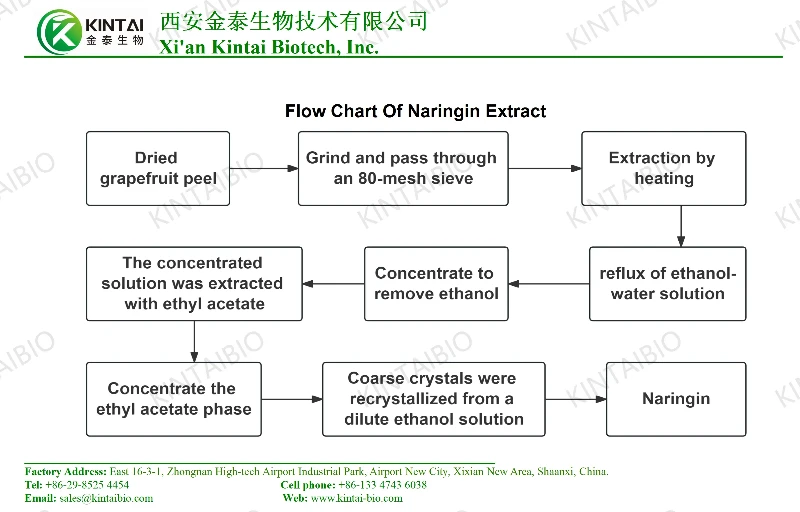
How to extract naringin?-kintaibio Naringin production process
benefits of naringin

naringin blood pressure
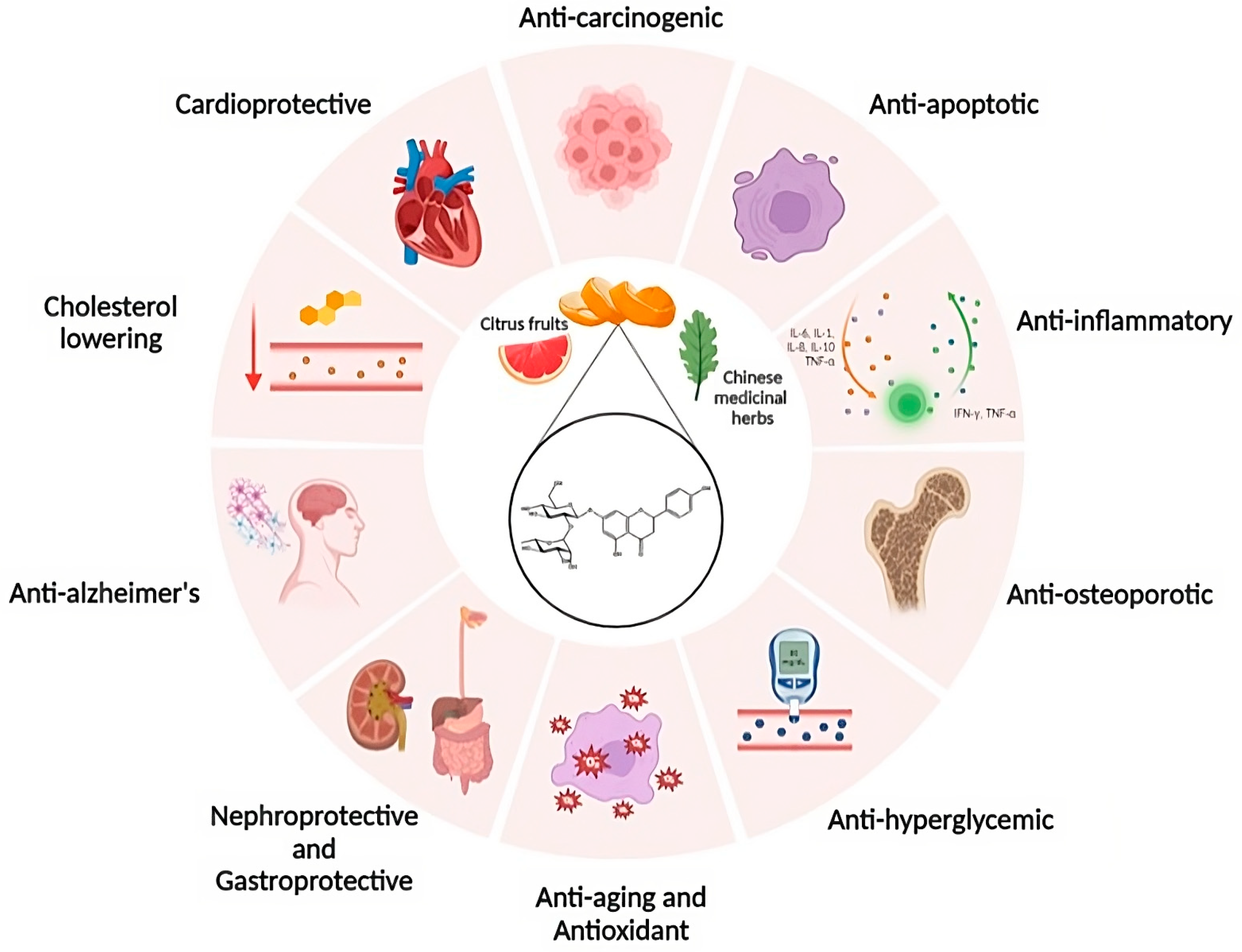
Existing in vitro and animal studies indicate that naringin may regulate blood pressure through multi-target mechanisms, including improving vascular endothelial function, enhancing vasodilation, and modulating the renin-angiotensin system (RAS)-a system linked to vasoconstriction and blood pressure homeostasis. Furthermore, naringin exhibits antioxidant and anti-inflammatory properties; by regulating signaling pathways such as Nrf2, NF-κB, and PI3K/Akt, it mitigates the impact of oxidative stress and inflammation on vascular endothelium and cardiovascular tissues, thereby helping to maintain normal vascular function.
Some animal experiments have also observed that naringin helps alleviate elevated blood pressure, accompanied by beneficial changes in lipid metabolism and vascular function. However, current evidence regarding naringin's antihypertensive effects stems primarily from cellular and animal studies, with relatively limited data from human clinical trials. Nevertheless, naringin extract stands out as a natural citrus flavonoid with potential value for blood pressure management and vascular protection.
naringin weight loss
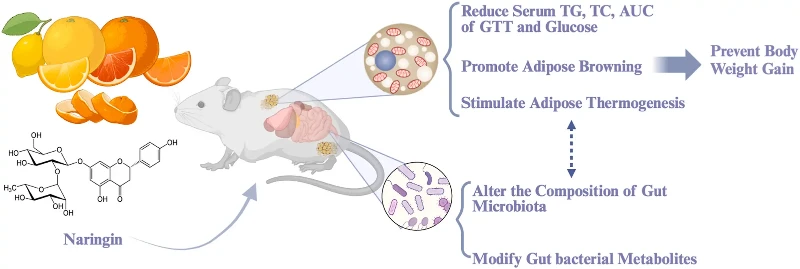
Naringin shows promise in the areas of weight management and energy metabolism. Studies using high-fat diet-induced obese mouse models have demonstrated that continuous naringin supplementation inhibits weight gain, improves body composition, and increases overall energy expenditure; it achieves this by enhancing the thermogenic activity of adipose tissue, thereby driving higher energy consumption.
Furthermore, naringin appears to influence these metabolic processes by modulating gut microbiota and their metabolites. Research indicates that naringin alters gut microbial composition and promotes the production of specific metabolites associated with thermogenesis and body temperature regulation; notably, the thermogenic and weight-management effects of naringin are significantly attenuated when gut microbiota are depleted via antibiotics. Consequently, naringin extract holds potential as a natural bioactive ingredient for regulating energy metabolism and managing body weight.

naringin testosterone
Naringin has recently been the subject of extensive research regarding male reproductive health and the regulation of testosterone levels. A recent study using a mouse model of adjuvant-induced rheumatoid arthritis (RA) revealed that RA-associated chronic inflammation is accompanied by reduced serum levels of testosterone and luteinizing hormone (LH), as well as structural damage to testicular tissue and compromised integrity of the blood-testis barrier (BTB).
Treatment with naringin was found to reduce the expression of inflammatory cytokines TNF-α and IL-6, improve the structural integrity of seminiferous tubules, and restore the expression of Connexin-43 and Occludin-proteins essential for BTB integrity-while also helping to normalize testosterone levels in the RA model animals. These findings suggest that naringin extract mitigates the damage caused by the inflammatory environment to testicular tissue and the blood-testis barrier through its anti-inflammatory, antioxidant, and tissue-protective properties, thereby indirectly supporting testicular endocrine and reproductive functions.
naringin antiviral
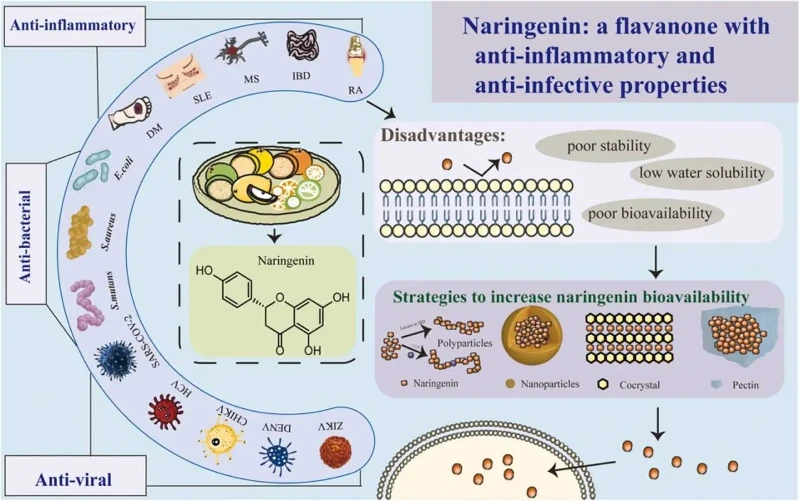
Naringin and its aglycone, naringenin, have demonstrated potential value in the field of antiviral research. Existing studies suggest that naringenin may influence the viral infection process through multi-target mechanisms, including interfering with viral entry into host cells, inhibiting viral replication, and modulating inflammatory responses and cellular signaling pathways associated with infection. Furthermore, its antioxidant and anti-inflammatory properties may help mitigate cellular damage caused by oxidative stress and excessive inflammation during viral infection.
It is important to note that current evidence regarding the antiviral effects of citrus flavonoids stems primarily from *in vitro* cell experiments and animal studies; consequently, neither naringin nor naringenin can currently be classified as clinically validated antiviral drugs. From the perspective of raw material development, naringin extract-as a natural compound possessing potential antiviral, anti-inflammatory, and antioxidant properties-provides a research foundation for the formulation and development of related health products.
Reference:https://www.mdpi.com/2072-6643/17/16/2658
https://www.sciencedirect.com/science/article/pii/S2665927124000091
https://www.sciencedirect.com/science/article/abs/pii/S0041008X26001614
https://www.sciencedirect.com/science/article/pii/S0753332223007801
naringin side effects
naringin supplement
In the realm of dietary supplements, naringin extract powder can be utilized in product formulations-such as naringin capsules, tablets, powders, and complex nutritional blends-to target areas including cardiovascular health, antioxidant support, metabolic health, and weight management. Existing research indicates that naringin and its related flavonoids play roles in vascular endothelial function, lipid metabolism, thermogenesis, and the regulation of inflammation, thereby providing a scientific basis for the development of relevant functional foods and nutritional products.
what is naringin used for?
naringin side effects
Currently, human safety studies specifically targeting high-purity naringin remain relatively limited; therefore, one cannot simply equate naringin with the full range of adverse reactions reported in association with grapefruit juice. Existing literature indicates that naringin extract generally demonstrates a favorable safety profile; however, at high doses or in cases of individual sensitivity, potential tolerability issues-such as gastrointestinal discomfort-warrant attention.
naringin drug interactions
Naringin and its metabolites may affect certain drug-metabolizing enzymes and transporters, including CYP450, P-glycoprotein (P-gp), and organic anion-transporting polypeptides (OATPs). It is important to note that the interaction between grapefruit and certain medications is currently believed to be primarily attributable to furanocoumarins rather than naringin itself; however, experimental studies suggest that naringin extract and its aglycone, naringenin, have the potential to modulate drug metabolism and transport systems. Therefore, individuals taking prescription medications-particularly those for cardiovascular diseases, immune system disorders, or other conditions requiring strict control of plasma drug concentrations-should consult a physician or pharmacist before using high-dose naringin supplements.
naringin dosage
There is currently a lack of standardized, universally accepted therapeutic dosages for humans, and it is inappropriate to directly extrapolate human dosage based on doses used in animal experiments. Therefore, appropriate usage protocols for naringin products should be established based on factors such as raw material purity, formulation, and the target population; furthermore, claims equating results from animal experiments or *in vitro* studies directly to therapeutic efficacy in humans should be avoided. Pregnant women, nursing mothers, children, and individuals undergoing medical treatment are advised to use these products under the guidance of healthcare professionals.
where to buy naringin powder?
If you are seeking a stable and reliable naringin supplier, KINTAIBIO® provides standardized naringin extract powder to global developers of dietary supplements, functional foods, nutritional health products, and botanical extracts. We prioritize raw material selection, extraction processes, active ingredient control, and finished product testing to ensure excellent batch-to-batch consistency; we also offer product specifications and quality documentation-such as COAs and MSDSs-tailored to customer requirements.


Hot Tags: naringin extract, China naringin extract manufacturers, suppliers, factory, SepiWhite MSH Powder, Seaweed Polysaccharide, Horse Chestnut Bark Extract, Octacosanol Powder, arbutin powder, Ergothioneine Powder