
As a seasoned supplier in the plant extracts industry, I've witnessed the growing popularity and demand for natural plant - based extracts. These extracts are used in a wide range of industries, from pharmaceuticals and nutraceuticals to cosmetics and food and beverage. In this blog, I'll share some of the most commonly used plants for extracts, highlighting their benefits and applications.
Ginseng
Ginseng is one of the most well - known herbs in traditional medicine, especially in Asian cultures. There are several species of ginseng, including Asian ginseng (Panax ginseng) and American ginseng (Panax quinquefolius). The active compounds in ginseng are called ginsenosides.
Ginseng extracts are used for their adaptogenic properties, which means they help the body adapt to stress. They can enhance physical and mental performance, boost the immune system, and improve cognitive function. In the pharmaceutical industry, ginseng extracts are often used in medications for fatigue and stress - related disorders. In the nutraceutical field, they are a popular ingredient in energy drinks and dietary supplements.
Chamomile
Chamomile comes in two main varieties: German chamomile (Matricaria chamomilla) and Roman chamomile (Chamaemelum nobile). Chamomile extracts are rich in antioxidants, such as flavonoids and terpenoids.
These extracts are well - known for their calming and relaxing effects. They are commonly used to treat anxiety, insomnia, and digestive problems. In the cosmetic industry, chamomile extracts are used in skincare products due to their anti - inflammatory and soothing properties. They can reduce skin redness, irritation, and swelling, making them suitable for sensitive skin types. You'll find chamomile extracts in products like facial creams, lotions, and shampoos.
Aloe Vera
Aloe vera is a succulent plant that has been used for medicinal purposes for centuries. The gel inside the aloe vera leaves contains a variety of bioactive compounds, including polysaccharides, amino acids, vitamins, and minerals.
Aloe vera extracts are mainly used for their healing and moisturizing properties. In the skincare industry, they are a staple ingredient in products such as gels, creams, and lotions. Aloe vera can help soothe sunburns, heal wounds, and hydrate the skin. In addition, aloe vera extracts are also used in the food and beverage industry. They can be added to drinks to provide health benefits, such as improving digestion and boosting the immune system.
Turmeric
Turmeric (Curcuma longa) is a spice commonly used in Indian cuisine. The main active compound in turmeric is curcumin, which has powerful anti - inflammatory and antioxidant properties.
Turmeric extracts are widely used in the nutraceutical and pharmaceutical industries. They can reduce inflammation in the body, which is beneficial for conditions such as arthritis and inflammatory bowel disease. Curcumin also has potential anti - cancer properties, although more research is needed in this area. In the food and beverage industry, turmeric extracts are used as natural food colorants and flavoring agents, adding a vibrant yellow color and a slightly bitter taste.
Green Tea
Green tea, derived from the leaves of the Camellia sinensis plant, is rich in catechins, a type of antioxidant. The most well - known catechin in green tea is epigallocatechin gallate (EGCG).
Green tea extracts are used in various industries. In the nutraceutical field, they are popular for weight management as they can boost metabolism and increase fat oxidation. In the cosmetic industry, green tea extracts are used in anti - aging products due to their ability to protect the skin from free - radical damage. They can also reduce the risk of skin cancer and improve skin elasticity. Additionally, green tea extracts are used in the food and beverage industry to add a healthy and refreshing flavor to products.
Oat Straw
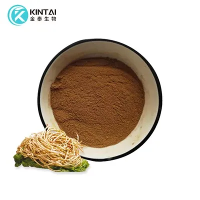
Oat straw is the above - ground part of the oat plant (Avena sativa). Oat straw extract powder is a valuable product. It contains various vitamins, minerals, and bioactive compounds such as saponins and flavonoids.


Oat straw extract has nerve - soothing properties and can be used to alleviate stress and anxiety. It is also beneficial for improving sleep quality. In the cosmetic industry, it can be used to moisturize and nourish the skin. If you're interested in learning more about Oat Straw Extract Powder, you can visit our website.
Kiwi Fruit
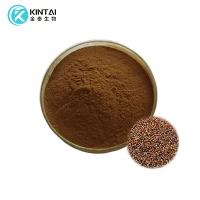
Kiwi fruit (Actinidia deliciosa) is not only delicious but also a rich source of vitamins, minerals, and antioxidants. Kiwi fruit extract powder is made from the whole fruit or its juice.
It contains high levels of vitamin C, which is essential for a healthy immune system. Kiwi fruit extract can also improve digestion and promote skin health. In the food and beverage industry, it is used to add a tangy and fruity flavor to products, while in the cosmetic industry, it can be used in products for its antioxidant and moisturizing properties. Check out our Kiwi Fruit Extract Powder for more details.
Goldenrod
Goldenrod (Solidago spp.) is a wildflower that has been used in traditional medicine. Goldenrod extract contains flavonoids, saponins, and tannins.
It has diuretic properties, which means it can increase urine production and help flush out toxins from the body. It is also used for treating urinary tract infections and kidney stones. In addition, goldenrod extract has anti - inflammatory and analgesic properties. For more information about Goldenrod Extract, please visit our website.
Conclusion
Plant extracts are a valuable natural resource with a wide range of applications and benefits. Whether you're in the pharmaceutical, nutraceutical, cosmetic, or food and beverage industry, there's a plant extract that can meet your needs. At our company, we are dedicated to providing high - quality plant extracts that are sustainably sourced and rigorously tested.
If you're interested in sourcing plant extracts for your products, we'd love to have a conversation with you. Our team of experts can offer customized solutions to meet your specific requirements. Don't hesitate to reach out for a procurement discussion.
References
- "Herbal Medicine: Biomolecular and Clinical Aspects". By pharmacognosists Edzard Ernst, Kevin K. Ong, Ronald P. Brown.
- "Handbook of Herbs and Spices". Edited by K. V. Peter.
- "Encyclopedia of Dietary Supplements". Second Edition, Edited by Laura A. Byers, Roberta R. White.