
In the realm of traditional Chinese medicine (TCM), herbal plasters hold a significant place. These plasters are topical applications that combine the power of various Chinese herbs to address a wide range of health issues, from pain relief to promoting blood circulation. As a Chinese Herbs supplier, I have had the privilege of working closely with these remarkable botanicals and understanding their unique properties when used in herbal plasters. In this blog, I will explore some of the commonly used Chinese herbs in herbal plasters.
1. Aconitum Root
Aconitum Root, also known as Fuzi in Chinese, is a well - known herb in TCM. It has a long history of use in herbal plasters, primarily for its ability to dispel cold and relieve pain. The herb is believed to have a warming nature, which can stimulate the flow of qi and blood in the body.
When used in herbal plasters, Aconitum Root is often ground into a fine powder and mixed with other herbs and a suitable base. The plaster can then be applied to areas of the body that are affected by cold - induced pain, such as joints and muscles. For example, in cases of arthritis, where cold and dampness can exacerbate the pain, an herbal plaster containing Aconitum Root can provide relief by warming the affected area and promoting better circulation. However, it's important to note that Aconitum Root is toxic if not processed properly. In the production of herbal plasters, strict processing methods are followed to ensure its safety. You can learn more about Aconitum Root on our website: Aconitum Root.
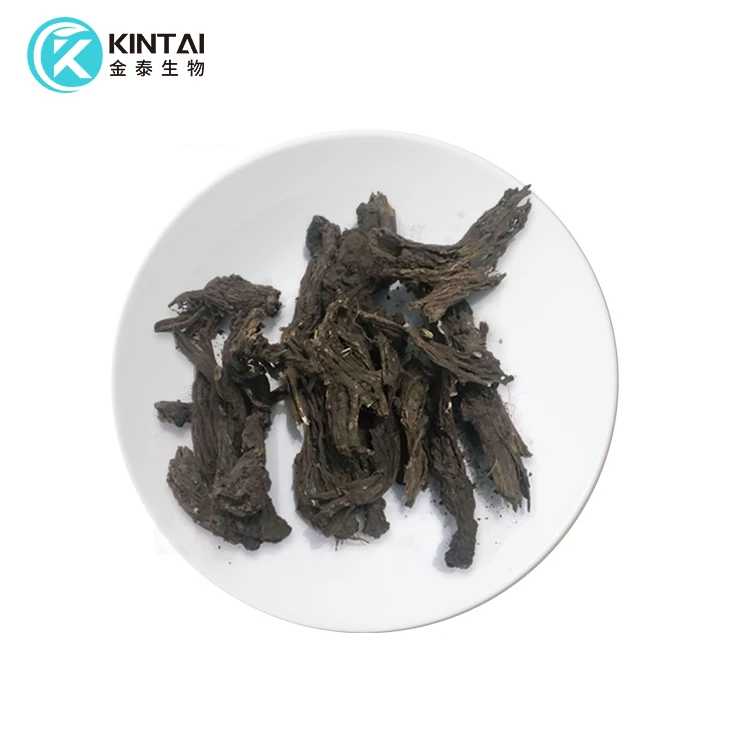

2. Angelica Head
Angelica Head, or Danggui Tou in Chinese, is another herb frequently used in herbal plasters. This herb is highly regarded for its blood - nourishing and blood - activating properties. In TCM theory, many health problems, including pain and swelling, are associated with stagnation of blood.
When incorporated into herbal plasters, Angelica Head can help to improve blood circulation in the local area where the plaster is applied. It can be particularly effective in treating bruises, sprains, and other soft - tissue injuries. By promoting blood flow, it helps to reduce swelling, relieve pain, and speed up the healing process. The active components in Angelica Head, such as ferulic acid, have anti - inflammatory and analgesic effects. To find out more about Angelica Head and its uses, visit our webpage: Angelica Head.
3. Lotus Stamen
Lotus Stamen, or Lianxu in Chinese, is a unique herb used in herbal plasters. It has astringent and stabilizing properties. In TCM, it is often used to treat conditions related to excessive leakage of body fluids, such as nocturnal emissions and excessive sweating.
In the context of herbal plasters, Lotus Stamen can be used in combination with other herbs to address specific health concerns. For example, in plasters designed for treating skin conditions, its astringent property can help to dry out dampness and reduce inflammation. It can also be used in plasters for joint pain, as it may help to stabilize the joints and reduce excessive movement that could cause further damage. To explore more about Lotus Stamen, click on the following link: Lotus Stamen.
4. Cinnamon Twig
Cinnamon Twig, or Guizhi in Chinese, is a common ingredient in herbal plasters. It has a pungent and sweet taste and a warm nature. In TCM, it is used to promote the flow of qi and blood, dispel wind - cold, and relieve pain.
When used in herbal plasters, Cinnamon Twig can be effective in treating conditions such as wind - cold type of headache, joint pain caused by wind - cold dampness, and muscle stiffness. It works by warming the meridians and promoting the circulation of qi and blood in the affected area. The essential oils in Cinnamon Twig, such as cinnamaldehyde, have anti - inflammatory and analgesic effects.
5. Notopterygium Root
Notopterygium Root, or Qianghuo in Chinese, is an herb that is often used in herbal plasters for its ability to dispel wind - dampness and relieve pain. It has a strong effect on the upper part of the body, especially the head, neck, and shoulders.
In cases of neck and shoulder pain caused by wind - dampness invasion, an herbal plaster containing Notopterygium Root can be very effective. It helps to open up the meridians, dispel the pathogenic factors, and relieve the pain. The herb contains various active ingredients, such as coumarins, which have anti - inflammatory and analgesic properties.
6. Eucommia Bark
Eucommia Bark, or Duzhong in Chinese, is a herb that is mainly used for strengthening the liver and kidneys and tonifying the tendons and bones. In TCM, the health of the liver and kidneys is closely related to the strength of the bones and muscles.
When used in herbal plasters, Eucommia Bark can be beneficial for treating conditions such as lower back pain, knee pain, and osteoporosis. It helps to strengthen the bones and muscles, improve the stability of the joints, and relieve pain. The active components in Eucommia Bark, such as iridoids and flavonoids, have antioxidant, anti - inflammatory, and bone - protecting effects.
7. Frankincense and Myrrh
Frankincense and Myrrh are two resins that are often used together in herbal plasters. They have a long history of use in TCM for their ability to promote blood circulation, relieve pain, and reduce swelling.
These resins are rich in essential oils and other active ingredients. When used in herbal plasters, they can be effective in treating various types of pain, including joint pain, muscle pain, and pain from injuries. They work by promoting the circulation of qi and blood, reducing inflammation, and accelerating the healing process.
The Production Process of Herbal Plasters
The production of herbal plasters is a complex process that requires careful selection of herbs, proper processing, and precise formulation. First, the herbs are carefully selected based on their quality and origin. Only high - quality herbs are used to ensure the effectiveness of the plasters.
Then, the herbs are processed according to traditional TCM methods. This may involve cleaning, drying, grinding, and sometimes炮制 (a special processing method in TCM to change the properties of the herbs). After processing, the herbs are mixed in a specific ratio with a suitable base, such as beeswax or vegetable oil, to form a paste.
The paste is then spread on a backing material, such as cloth or paper, to form the plaster. The plasters are then cut into appropriate sizes and packaged for sale.
Quality Control and Safety
As a Chinese Herbs supplier, we place great emphasis on quality control and safety. All the herbs we use in the production of herbal plasters are sourced from reliable suppliers. We conduct strict quality inspections on the herbs, including checking for purity, potency, and the absence of contaminants.
In addition, we follow strict safety guidelines in the production process. As mentioned earlier, some herbs, such as Aconitum Root, are toxic if not processed properly. We ensure that all processing methods are in line with TCM standards to guarantee the safety of the herbal plasters.
Conclusion
Chinese herbal plasters are a valuable part of traditional Chinese medicine. They combine the power of various Chinese herbs to provide effective solutions for a wide range of health problems. From pain relief to promoting blood circulation and treating injuries, these plasters have a long - standing history of use and have been proven effective in many cases.
As a Chinese Herbs supplier, we are committed to providing high - quality herbs for the production of herbal plasters. Our herbs are carefully selected, processed, and tested to ensure their quality and safety. If you are interested in purchasing Chinese herbs for the production of herbal plasters or have any questions about our products, please feel free to contact us for a procurement discussion. We look forward to working with you to bring the benefits of traditional Chinese medicine to more people.
References
- Bensky, D., Clavey, S., & Stoger, E. (2004). Chinese Herbal Medicine: Materia Medica. Eastland Press.
- Chen, J., & Chen, T. (2004). Pharmacology of Chinese Herbs. Elsevier.
- Wu, J. (2013). Chinese Herbal Medicine Formulas and Strategies. Medical Books.