
Eyeliners have been a staple in the world of cosmetics for centuries, enhancing the beauty of the eyes and adding definition to one's gaze. As a leading supplier of cosmetics ingredients, I've had the privilege of delving deep into the components that make up these popular makeup products. In this blog, I'll explore the various ingredients found in eyeliners, their functions, and the benefits they bring to the table.
Base Ingredients
The base of an eyeliner provides the foundation that holds all the other ingredients together and gives the eyeliner its texture and consistency. Common base ingredients include waxes, oils, and silicones.
Waxes
Waxes are an essential part of many eyeliner formulations. Beeswax, for example, is a natural wax that provides a smooth application and helps to hold the pigment in place. It also gives the eyeliner a solid structure, making it easier to shape and control. Carnauba wax, derived from the leaves of the carnauba palm, is another popular choice. It is extremely hard and helps to increase the durability and water - resistance of the eyeliner.
Oils
Oils are used to make the eyeliner more pliable and easier to apply. Mineral oil is a common choice as it is inexpensive and has good emollient properties, allowing the eyeliner to glide smoothly across the eyelid. Jojoba oil, on the other hand, is a natural alternative that closely resembles the skin's sebum. It is quickly absorbed, non - greasy, and helps to keep the eyeliner from drying out.
Silicones
Silicones such as dimethicone are often added to eyeliners. They give the eyeliner a silky, smooth feel and help to prevent it from flaking or smudging. Silicones also create a barrier on the skin, which can help to lock in moisture and keep the eyeliner looking fresh for longer.
Pigments
Pigments are what give eyeliners their color. They can be either natural or synthetic, and different types of pigments are used to achieve various shades and effects.
Natural Pigments
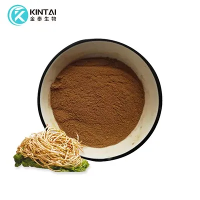
Natural pigments are derived from sources such as plants, minerals, and insects. For example, iron oxides are commonly used in eyeliners to create brown, black, and red shades. They are safe for use on the skin and provide long - lasting color. Carotenoids, which are found in many fruits and vegetables, can also be used to create orange and yellow hues. Ergothioneine Powder is an ingredient that can also be incorporated. While not a traditional pigment, it has antioxidant properties that can potentially enhance the overall quality of the eyeliner, protecting the eyes and the product itself from oxidative stress.


Synthetic Pigments
Synthetic pigments offer a wider range of colors and are often more intense and long - lasting than natural pigments. They are carefully formulated to meet strict safety standards. Phthalocyanine blues and greens are synthetic pigments commonly used in eyeliners to create vibrant and bold colors.
Preservatives
Preservatives are added to eyeliners to prevent the growth of bacteria, fungi, and other microorganisms. This helps to extend the shelf life of the product and ensure its safety for use.
Parabens
Parabens, such as methylparaben and propylparaben, were once widely used in cosmetics, including eyeliners. However, in recent years, there has been some concern about their potential health effects. As a result, many cosmetic companies are now looking for alternative preservatives.
Phenoxyethanol
Phenoxyethanol is a popular alternative to parabens. It is a synthetic preservative that is effective against a wide range of microorganisms. It is mild and has a low risk of causing allergic reactions, making it suitable for use in eyeliners, especially those designed for sensitive skin.
Binding Agents
Binding agents are used to hold the pigment and other ingredients together in the eyeliner formulation. They ensure that the eyeliner has a uniform texture and that the pigment does not separate or settle over time.
Acrylic Polymers
Acrylic polymers are commonly used as binding agents in eyeliners. They form a film that holds the pigment in place and provides a smooth, even finish. These polymers also help to increase the adhesion of the eyeliner to the skin, preventing it from smudging or flaking.
Additives
Additives are added to eyeliners to provide additional benefits or to improve the overall performance of the product.
Plant Extracts
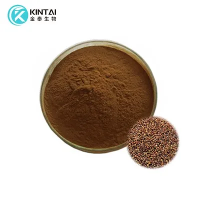
Plant extracts are often added to eyeliners for their therapeutic properties. Ampelopsis Grossedentata Extract is known for its antioxidant and anti - inflammatory effects. It can help to soothe the delicate skin around the eyes and protect it from damage. European Bilberry Extract is rich in antioxidants called anthocyanins, which may help to improve blood circulation in the eye area and reduce the appearance of dark circles.
Vitamins
Vitamins such as vitamin E are added to eyeliners for their antioxidant properties. Vitamin E helps to protect the skin from free radicals, which can cause premature aging and damage. It also helps to keep the skin around the eyes moisturized and healthy.
Quality and Safety Considerations
As a cosmetics ingredients supplier, quality and safety are of utmost importance. All the ingredients used in eyeliners should meet strict regulatory standards. We conduct thorough quality control tests on our ingredients to ensure that they are pure, safe, and effective. This includes testing for heavy metals, microbial contamination, and stability under different storage conditions.
Why Choose Our Ingredients?
Our company offers a wide range of high - quality cosmetics ingredients for eyeliner production. We source our ingredients from reliable suppliers and use state - of - the - art manufacturing processes to ensure consistency and quality. Our ingredients are not only safe but also innovative, allowing cosmetic companies to create unique and high - performing eyeliners.
Contact Us for Your Ingredient Needs
If you are in the business of manufacturing eyeliners or other cosmetics products and are looking for top - notch ingredients, we'd love to hear from you. Our team of experts can provide you with detailed information about our products, offer technical support, and help you find the best ingredients for your formulations. Whether you need a specific pigment, a natural extract, or a base ingredient, we have the solutions to meet your requirements. Reach out to us to start a discussion and take your cosmetic products to the next level.
References
- Cosmetics Ingredient Review Board. (2023). Safety Assessment of Cosmetic Ingredients.
- International Journal of Cosmetic Science. Various issues on eyeliner ingredients and formulation.
- Dawson, C. (2022). The Chemistry of Cosmetics. Wiley - Blackwell.