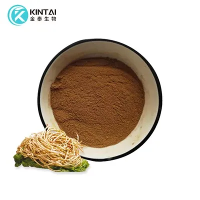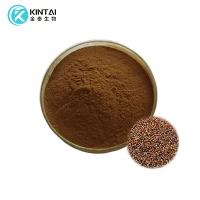

Hey there! As a supplier of Vine Tea Extract, I often get asked a super important question: Can Vine Tea Extract be used to prevent cancer? It's a topic that hits close to home for a lot of people, and I'm stoked to dig into it with you.
First off, let's talk a bit about Vine Tea Extract. It's derived from Ampelopsis grossedentata, a plant that's been used in traditional Chinese medicine for ages. People in certain regions have sipped on vine tea for its supposed health benefits, like soothing a sore throat and helping with digestion. But when it comes to cancer prevention, that's a whole different ballgame.
Cancer is a complex disease, and there's no magic bullet to prevent it. It's caused by a mix of genetic factors, lifestyle choices, and environmental exposures. But that doesn't mean natural substances like Vine Tea Extract can't play a role.
One of the key components in Vine Tea Extract is dihydromyricetin (DMY). This compound has caught the attention of researchers because of its antioxidant and anti - inflammatory properties. Antioxidants are like the body's little cleanup crew. They fight off free radicals, which are unstable molecules that can damage cells and potentially lead to cancer. Inflammation, on the other hand, is linked to the development and progression of many types of cancer. By reducing inflammation, DMY might help create an environment in the body that's less friendly to cancer cells.
There have been some lab studies on DMY. In vitro experiments have shown that it can inhibit the growth of cancer cells. For example, in studies on liver cancer cells, DMY seemed to stop the cells from multiplying and even induced apoptosis, which is basically the cell's self - destruct button. These are really promising results, but it's important to remember that just because something works in a petri dish doesn't mean it'll have the same effect in the human body.
Animal studies have also shown some positive signs. Mice models with certain types of cancer have been given Vine Tea Extract or DMY, and there have been reports of reduced tumor growth and improved survival rates. But again, animals aren't humans, and the results might not translate directly.
When it comes to human studies, the evidence is a bit thin on the ground. There haven't been large - scale, well - controlled clinical trials specifically looking at Vine Tea Extract for cancer prevention. That's not to say it doesn't work; it just means we need more research to be sure.
Now, let's put Vine Tea Extract in context with other plant extracts. There are tons of plant - based substances out there that are being studied for their potential anti - cancer properties. For instance, Belladonna Extract Powder has a long history in traditional medicine, and some research is exploring its possible effects on cancer cells. Polygonatum Extract is another one. It's known for its health - promoting properties, and there's interest in how it might interact with cancer pathways. And Irvingia Gabonensis Seed Extract has been studied for its effects on metabolism and weight loss, and who knows, there could be a connection to cancer prevention through its impact on overall health.
So, can you rely on Vine Tea Extract to prevent cancer? The honest answer is we don't know for sure. It has some promising properties based on lab and animal studies, but more research is needed. That being said, adding it to a healthy lifestyle that includes a balanced diet, regular exercise, and not smoking is a good idea. It might be an extra boost to your overall health.


If you're interested in incorporating Vine Tea Extract into your routine, I'm here to help. As a supplier, I can offer high - quality Vine Tea Extract that's been carefully sourced and processed. Whether you're an individual looking to try it out or a business interested in using it in your products, I'm open to discussing your needs. Feel free to reach out to start a conversation about purchasing and how we can work together.
In conclusion, while Vine Tea Extract shows potential for cancer prevention, it's not a substitute for proven cancer - prevention strategies. But it could be a valuable addition to your health regimen. Let's keep an eye on the research as it unfolds, and in the meantime, I'm here to provide you with the best Vine Tea Extract on the market.
References
- Chen, X., et al. "Dihydromyricetin inhibits the growth of human hepatocellular carcinoma cells through the mitochondrial apoptotic pathway." Oncology Letters, 2017.
- Zhang, Y., et al. "Antioxidant and anti - inflammatory activities of Ampelopsis grossedentata extract." Journal of Functional Foods, 2018.