




Xi'an Kintai Biotech Inc is one of the most experienced manufacturers and suppliers of ethyl vanillin powder in China. Please feel free to wholesale high quality ethyl vanillin powder for sale here from our factory. For price consultation, contact us.
What is Ethyl Vanillin Powder?
Ethyl Vanillin Powder is a synthetic flavor compound that has gained significant popularity in the food industry. It is derived from vanillin, which is the primary compound responsible for the characteristic flavor and aroma of vanilla. While natural vanillin is extracted from the vanilla bean, ethyl vanillin is created through chemical synthesis.

One of the main advantages of using ethyl vanillin as a flavoring agent is its intense and enhanced flavor profile. It offers a stronger and sweeter taste compared to natural vanillin, allowing manufacturers to achieve a more pronounced vanilla flavor in their products. This makes it particularly appealing in applications where a bold and distinct vanilla taste is desired.
In addition to its robust flavor, ethyl vanillin is also favored for its cost-effectiveness and availability. Natural vanillin is a limited resource, and the extraction process can be expensive, leading to higher costs for food manufacturers. Ethyl vanillin, on the other hand, can be produced synthetically in large quantities, making it a more affordable option for flavoring various food products.
Understanding Ethyl Vanillin
A. Chemical structure and properties
Ethyl Vanillin Powder has a chemical structure that is similar to natural vanillin. It is an organic compound with the molecular formula C9H10O3. The main difference between ethyl vanillin and natural vanillin lies in the presence of an additional ethoxy (-OCH2CH3) group in ethyl vanillin, which gives it its distinct properties.

In terms of physical properties, ethyl vanillin appears as white or off-white crystals or powder. It has a melting point of around 76-78°C and a boiling point of approximately 285°C. It is sparingly soluble in water but dissolves well in alcohol, oils, and other organic solvents. These properties make it suitable for use in various food and beverage applications.
B. Comparison with natural vanillin

When comparing ethyl vanillin with natural vanillin, there are notable differences in terms of flavor, intensity, and source.
Flavor: Ethyl vanillin offers a stronger and more intense vanilla flavor compared to natural vanillin. Its sweet and robust taste makes it a popular choice for manufacturers looking to enhance the flavor profile of their products.
Intensity: Ethyl vanillin is known for its high potency. It can provide a more concentrated flavor impact than natural vanillin, allowing for smaller quantities to be used while achieving the desired taste.
Source: Natural vanillin is derived from the vanilla bean, while ethyl vanillin is synthesized chemically. This distinction is important for consumers who prefer natural ingredients or have specific dietary requirements. However, both natural and synthetic vanillin undergo safety evaluations to ensure they meet regulatory standards.
C. Historical background and development
The development of ethyl vanillin as a synthetic flavor can be traced back to the late 19th century. In 1874, German chemist Ferdinand Tiemann successfully synthesized vanillin from eugenol, a compound found in clove oil. This breakthrough laid the foundation for the commercial production of vanillin.
Later, in 1875, German chemist Wilhelm Haarmann and French chemist Ferdinand Reimer discovered a method to produce ethyl vanillin from vanillin. By introducing an ethoxy group to the vanillin molecule, they created a flavor compound with enhanced properties. This development opened up new possibilities for flavoring applications in the food industry.
Over the years, advancements in chemical synthesis techniques have made the production of ethyl vanillin more efficient and cost-effective. Today, it is widely used as a synthetic flavor additive in various food and beverage products, including baked goods, desserts, confectionery, beverages, and dairy products.
The historical background and continuous development of ethyl vanillin demonstrate the importance and demand for artificial flavors in the food industry. The ability to create synthetic flavors like ethyl vanillin allows manufacturers to meet consumer preferences, improve product quality, and enhance the overall sensory experience of food products.
Synthesis of Ethyl Vanillin
A. Raw materials and starting compounds
The synthesis of Ethyl Vanillin Powder involves the use of specific raw materials and starting compounds. The two main ingredients required are guaiacol and ethanol.
Guaiacol: Guaiacol is a naturally occurring compound found in wood smoke, particularly from guaiacum trees. It serves as the primary precursor for the synthesis of ethyl vanillin. Guaiacol can be obtained through various methods, including extraction from wood or chemical processes.
Ethanol: Ethanol, also known as ethyl alcohol, is a common alcohol used in many industries, including the food and beverage sector. It serves as the source of the ethoxy group that is added to guaiacol during the synthesis process.
B. Reaction pathways and processes
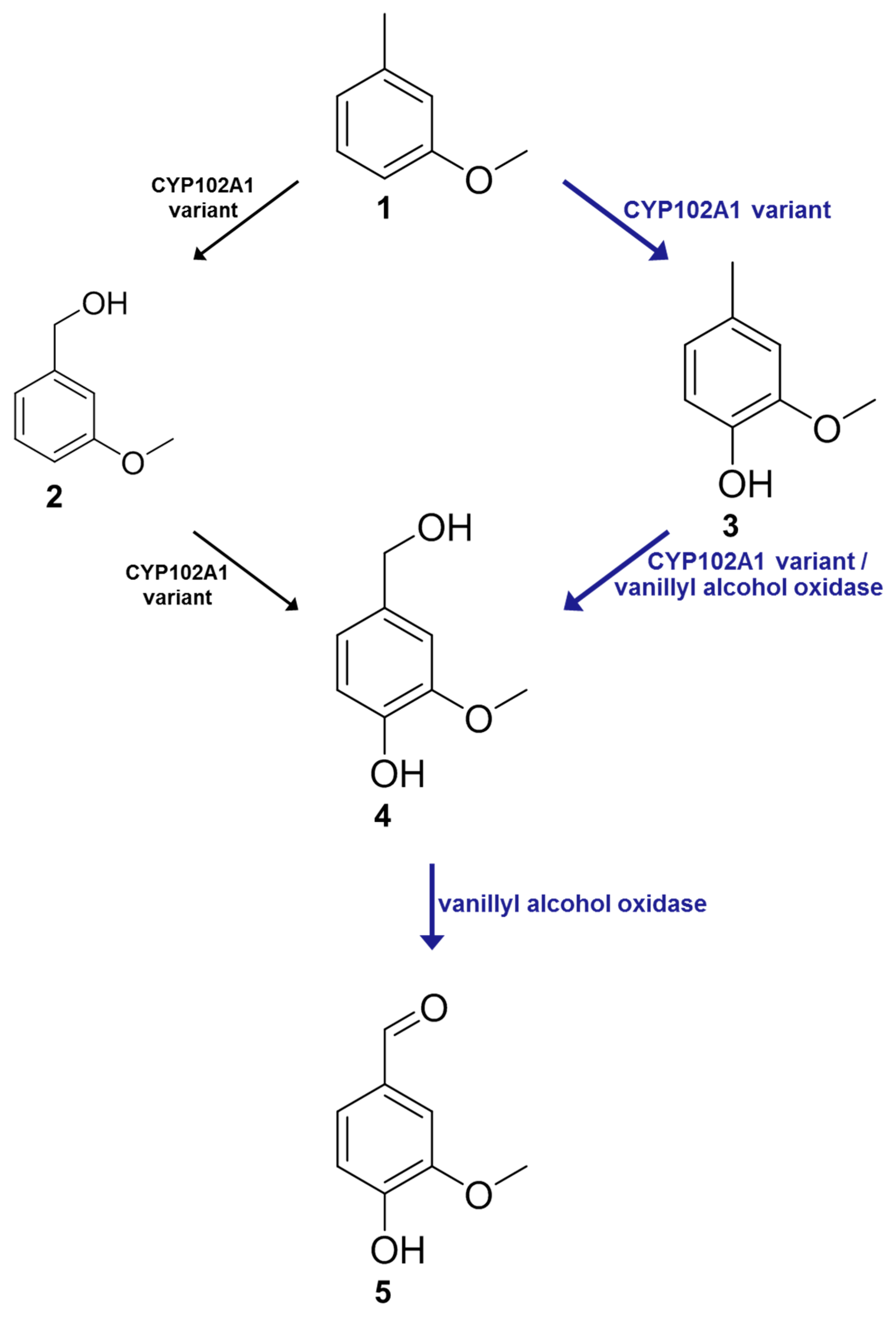
There are several methods for synthesizing ethyl vanillin, but two prominent pathways are commonly employed: the Reimer-Tiemann reaction and the Raschig process.
Reimer-Tiemann reaction: This reaction involves the reaction between guaiacol and chloroform (or carbon tetrachloride) in the presence of a strong base, such as sodium hydroxide or potassium hydroxide. The reaction produces an intermediate compound called vanillin.
To convert vanillin into ethyl vanillin, the intermediate compound is subjected to an esterification step. Ethanol is added to the reaction mixture, along with an acid catalyst such as sulfuric acid. Under controlled conditions, the esterification reaction occurs, resulting in the formation of ethyl vanillin.
Raschig process: In the Raschig process, guaiacol undergoes a condensation reaction with formaldehyde in the presence of sodium hydroxide. This reaction forms a compound called vanillyl alcohol.
Similar to the Reimer-Tiemann reaction, the vanillyl alcohol intermediate is then subjected to esterification with ethanol and an acid catalyst to produce ethyl vanillin.
Aside from these two main reactions, other synthetic methods for producing ethyl vanillin have been explored. These may involve different starting compounds, catalysts, or reaction conditions. However, the Reimer-Tiemann reaction and the Raschig process remain the most widely used methods due to their efficiency and reliability.
C. Optimization and quality control
The synthesis of ethyl vanillin involves optimization and quality control measures to ensure the production of a high-quality flavor compound. Optimization focuses on process parameters such as reaction temperature, reaction time, reactant concentrations, and catalyst amounts. Through careful optimization, manufacturers can enhance the yield, selectivity, and purity of ethyl vanillin.
Applications in the Food Industry

A. Flavor enhancement and modulation
One of the primary applications of Ethyl Vanillin Powder in the food industry is flavor enhancement and modulation. Its strong and intense vanilla flavor profile makes it a popular choice for enhancing the taste of various food and beverage products. Ethyl vanillin can be used to intensify the natural vanilla flavor or even mimic it in products where natural vanilla may be cost-prohibitive.
Ethyl vanillin is commonly utilized in baked goods, including cakes, cookies, pastries, and bread. It imparts a rich and sweet vanilla aroma, providing a pleasant sensory experience for consumers. Additionally, it is used in chocolate and confectionery products, ice cream, dairy desserts, beverages, and even savory dishes where a touch of vanilla flavor is desired.
The versatility of ethyl vanillin allows manufacturers to adjust and modulate the flavor profile of their products, achieving the desired taste and aroma characteristics. It can be used alone or in combination with other flavors to create unique and appealing flavor compositions, catering to diverse consumer preferences.
B.Benefits

C.Stability and shelf-life extension
In addition to its flavor-enhancing properties, ethyl vanillin also offers stability benefits, which contribute to extending the shelf life of food products. Its chemical structure and properties make it more resistant to heat, light, and oxidation compared to natural vanillin.
When added to food formulations, ethyl vanillin can act as an antioxidant, helping to inhibit or delay the oxidation process that can lead to product spoilage. This antioxidative effect helps maintain the freshness and quality of food products, particularly those prone to oxidation, such as fats, oils, and dairy-based products.
Furthermore, ethyl vanillin's stability under high-temperature processing conditions makes it suitable for use in baked goods and other heat-treated products. It can withstand the baking or cooking process without significant degradation, ensuring that the desired flavor remains intact throughout the product's shelf life.
D. Regulatory considerations and approval
The use of ethyl vanillin in the food industry is subject to regulatory considerations and approval by relevant authorities in different countries. These regulations aim to ensure the safety and proper labeling of food products containing ethyl vanillin.
In most countries, including China, the use of ethyl vanillin as a flavoring agent is permitted within specified limits set by regulatory bodies such as the Food and Drug Administration (FDA) or the European Food Safety Authority (EFSA). These limits are based on extensive safety evaluations conducted by scientific committees to determine acceptable daily intake levels for consumers.
our advantages


Packing And Shipping

If you want to Purchase high-quality Ethyl Vanillin Powder please feel free to contact us at Sales@Kintaibio.Com or feedback on the next page. Whatsapp:+86 133 4743 6038 Site web: www.kintai-bio.com | http://en.kintaibio.com
Hot Tags: ethyl vanillin powder, China ethyl vanillin powder manufacturers, suppliers, factory, Taxifolin Powder


