
Hey there, gardening enthusiasts! As a supplier of plant extracts, I'm super excited to share with you the amazing applications of these natural wonders in the gardening industry. Plant extracts have been around for ages, but their potential in gardening is just starting to be fully explored. So, let's dive right in and see how these extracts can transform your gardening experience.
Boosting Plant Growth
One of the most significant applications of plant extracts in gardening is promoting plant growth. Many plant extracts contain natural hormones and nutrients that can stimulate root development, increase plant vigor, and enhance overall growth. For example, Fucus Extract is rich in growth-promoting substances like auxins, cytokinins, and gibberellins. These hormones can encourage cell division and elongation, leading to stronger and healthier plants.
When you use Fucus Extract as a foliar spray or soil drench, it can improve nutrient uptake, increase chlorophyll production, and enhance photosynthesis. This results in lusher foliage, more abundant blooms, and higher yields. Whether you're growing vegetables, flowers, or herbs, Fucus Extract can give your plants the extra boost they need to thrive.
Enhancing Plant Resistance
Another important application of plant extracts is enhancing plant resistance to pests, diseases, and environmental stress. Many plant extracts contain bioactive compounds with antimicrobial, antifungal, and insecticidal properties. These compounds can help protect plants from a wide range of threats, reducing the need for chemical pesticides and fungicides.
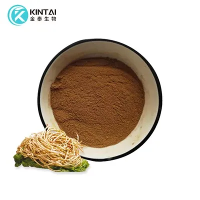
Polypodium Extract is a great example of a plant extract with excellent pest and disease resistance properties. It contains polyphenols and other bioactive compounds that can inhibit the growth of pathogens and repel insects. When applied to plants, Polypodium Extract can form a protective barrier on the plant surface, preventing pests and diseases from taking hold.
In addition to pest and disease resistance, plant extracts can also help plants tolerate environmental stress such as drought, heat, and cold. For example, some plant extracts contain osmolytes and antioxidants that can help plants maintain their water balance and protect their cells from oxidative damage. By using these extracts, you can help your plants survive and thrive in challenging growing conditions.
Improving Soil Health
Plant extracts can also have a positive impact on soil health. Many plant extracts contain organic matter, nutrients, and beneficial microorganisms that can improve soil structure, fertility, and microbial activity. When applied to the soil, these extracts can help break down organic matter, release nutrients, and promote the growth of beneficial bacteria and fungi.
For example, some plant extracts can stimulate the growth of mycorrhizal fungi, which form a symbiotic relationship with plant roots. Mycorrhizal fungi can help plants absorb nutrients and water more efficiently, improve soil structure, and enhance plant resistance to stress. By using plant extracts that promote mycorrhizal growth, you can improve the overall health and productivity of your soil.
Using Plant Extracts in Organic Gardening
If you're an organic gardener, plant extracts are a great option for maintaining a healthy and productive garden. Unlike synthetic pesticides and fertilizers, plant extracts are natural and biodegradable, making them a more sustainable choice for the environment. They can also help you meet the requirements of organic certification standards.
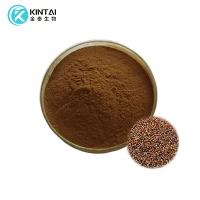
Cranberry Anthocyanins are a good example of a plant extract that can be used in organic gardening. Anthocyanins are natural pigments with antioxidant and antimicrobial properties. They can help protect plants from pests and diseases, improve plant health, and enhance the color and flavor of fruits and vegetables.
When using plant extracts in organic gardening, it's important to choose products that are certified organic and follow the recommended application rates and methods. This will ensure that you're using the extracts safely and effectively while maintaining the integrity of your organic garden.
How to Use Plant Extracts in Your Garden
Now that you know the many benefits of plant extracts in gardening, you might be wondering how to use them in your own garden. Here are some tips to get you started:


- Choose the right extract for your needs: Different plant extracts have different properties and applications. Before using a plant extract, do some research to find out which one is best suited for your plants and gardening goals.
- Follow the instructions: Read the product label carefully and follow the recommended application rates and methods. Overusing plant extracts can be harmful to your plants, so it's important to use them in the right amount.
- Test on a small area first: Before applying a plant extract to your entire garden, test it on a small area of plants to make sure they don't have any adverse reactions.
- Combine with other gardening practices: Plant extracts can be used in combination with other gardening practices such as proper watering, fertilizing, and pruning to maximize their benefits.
Conclusion
In conclusion, plant extracts have a wide range of applications in the gardening industry. They can boost plant growth, enhance plant resistance, improve soil health, and are a great option for organic gardening. As a supplier of plant extracts, I'm passionate about helping gardeners like you achieve healthy and productive gardens using natural and sustainable methods.
If you're interested in learning more about our plant extracts or would like to discuss your gardening needs, please don't hesitate to get in touch. We're here to provide you with the information and support you need to make the most of plant extracts in your garden. Let's work together to create beautiful, thriving gardens!
References
- Smith, J. (2020). The Benefits of Plant Extracts in Gardening. Gardening Today, 15(2), 34-39.
- Johnson, A. (2019). Using Plant Extracts to Enhance Plant Resistance. Journal of Sustainable Gardening, 12(3), 45-52.
- Brown, C. (2018). Improving Soil Health with Plant Extracts. Soil Science Review, 25(1), 67-74.