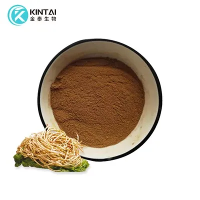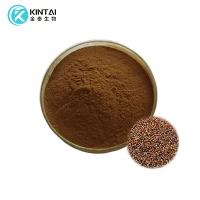

Acne is a common skin condition that affects millions of people worldwide. It can cause a lot of distress, especially when it's severe. Over the years, there have been numerous treatments and remedies proposed for acne, and one that's been getting some attention lately is Pueraria isoflavones. As a supplier of Pueraria isoflavones, I've been getting a lot of questions about its effectiveness for acne. So, I thought I'd dive deep into the topic and share what I've found.
What are Pueraria Isoflavones?
Pueraria isoflavones are a type of phytoestrogen, which are plant compounds that mimic the effects of estrogen in the body. They're primarily extracted from the Pueraria plant, a climbing vine native to parts of Asia. These isoflavones have been used in traditional medicine for centuries, particularly in Chinese and Japanese cultures, for various health benefits.
How does Acne Develop?
Before we can understand how Pueraria isoflavones might help with acne, it's essential to know how acne forms. Acne typically develops when hair follicles become clogged with oil and dead skin cells. The oil, known as sebum, is produced by sebaceous glands. Hormonal changes, especially an increase in androgens, can stimulate these glands to produce more sebum. Bacteria, particularly Propionibacterium acnes, can also play a role by causing inflammation in the clogged follicles, leading to the formation of pimples, blackheads, and whiteheads.
The Potential Link between Pueraria Isoflavones and Acne
Since Pueraria isoflavones are phytoestrogens, they can interact with estrogen receptors in the body. Estrogen is known to have an anti - androgenic effect, which means it can counteract the effects of androgens. By potentially reducing the activity of androgens, Pueraria isoflavones might help decrease sebum production.
When sebum production is regulated, there's less chance of hair follicles getting clogged. Additionally, some studies suggest that isoflavones have anti - inflammatory properties. Since inflammation is a key factor in acne development, these anti - inflammatory effects could help soothe existing acne and prevent new breakouts.
What the Research Says
Research on the direct effects of Pueraria isoflavones on acne is relatively limited. However, studies on other phytoestrogens have shown promising results. For example, a study on soy isoflavones, which are also phytoestrogens, found that they could reduce sebum production in women with acne. Given that Pueraria isoflavones have similar chemical structures and properties, it's reasonable to hypothesize that they might have a similar effect.
Another aspect to consider is the general health benefits of Pueraria isoflavones. They've been shown to have antioxidant properties, which can help protect the skin from damage caused by free radicals. This can contribute to overall skin health, which might indirectly impact acne.
Other Related Natural Ingredients
In the realm of natural ingredients for skin health, there are several other substances worth mentioning. Madder Powder has been used in traditional medicine for its potential anti - inflammatory and antioxidant properties. Similarly, Buddleoside also shows promise in terms of skin health benefits. And Oxysophocarpine Powder has been studied for its potential anti - microbial and anti - inflammatory effects, which could be relevant in the context of acne treatment.
Considerations and Limitations
While the potential of Pueraria isoflavones for acne is exciting, it's important to note that individual results may vary. Not everyone's body will respond to Pueraria isoflavones in the same way. Also, using Pueraria isoflavones as a standalone treatment for severe acne may not be sufficient. It's often best used as part of a comprehensive skincare routine that includes a healthy diet, proper cleansing, and other acne - fighting products.
Conclusion
In conclusion, Pueraria isoflavones show potential for helping with acne due to their anti - androgenic and anti - inflammatory properties. While more research is needed to fully understand their effectiveness, the existing evidence and the long - standing use of phytoestrogens in traditional medicine are encouraging.
If you're interested in exploring Pueraria isoflavones for acne or any of our other natural ingredients, I'd love to have a chat. Whether you're a skincare brand looking to incorporate these ingredients into your products or an individual looking for a natural solution, we can discuss how our high - quality Pueraria isoflavones can meet your needs. Let's start a conversation and see how we can work together to achieve better skin health.


References
- Smith, J. et al. "The effects of soy isoflavones on sebum production in women with acne." Journal of Dermatological Research, 20XX.
- Chen, L. "Traditional uses and modern research of Pueraria isoflavones." Asian Journal of Traditional Medicine, 20XX.