


Xi'an Kintai Biotech Inc is one of the most experienced manufacturers and suppliers of l-ornithine powder in China. Please feel free to wholesale high quality l-ornithine powder for sale here from our factory. For price consultation, contact us.
what is it?
L-Ornithine Powder, also known as (S)-2,5-diaminopentanoic acid, is a non-proteinogenic amino acid. It is classified as a basic amino acid due to its amino group. Structurally, L-Ornithine is derived from the amino acid L-glutamate by removing a carbon atom and a water molecule. Its chemical formula is C5H12N2O2, and it has a molecular weight of 132.16 g/mol.

L-Ornithine is naturally present in various biological sources, including plants, animals, and microorganisms.
It is found in significant quantities in protein-rich foods such as meat, fish, eggs, and dairy products. It is also a key intermediate in the urea cycle, a metabolic pathway occurring in the liver that detoxifies ammonia, and it plays a vital role in nitrogen metabolism.
Extraction and Synthesis of L-Ornithine

A. Natural sources and extraction methods:
L-Ornithine Powder can be extracted from various natural sources that are rich in proteins, such as meat, fish, eggs, and dairy products.
Extraction methods typically involve hydrolysis of proteins using enzymes or strong acids.
Enzymatic hydrolysis: Proteolytic enzymes like proteases are used to break down proteins into their constituent amino acids. Enzymes like papain, bromelain, or trypsin can be employed in the hydrolysis process.
Acid hydrolysis: Strong acids, such as hydrochloric acid or sulfuric acid, can be used to break down proteins into their component amino acids. Acid hydrolysis is often conducted under controlled temperature and pH conditions.
B. Chemical synthesis routes:
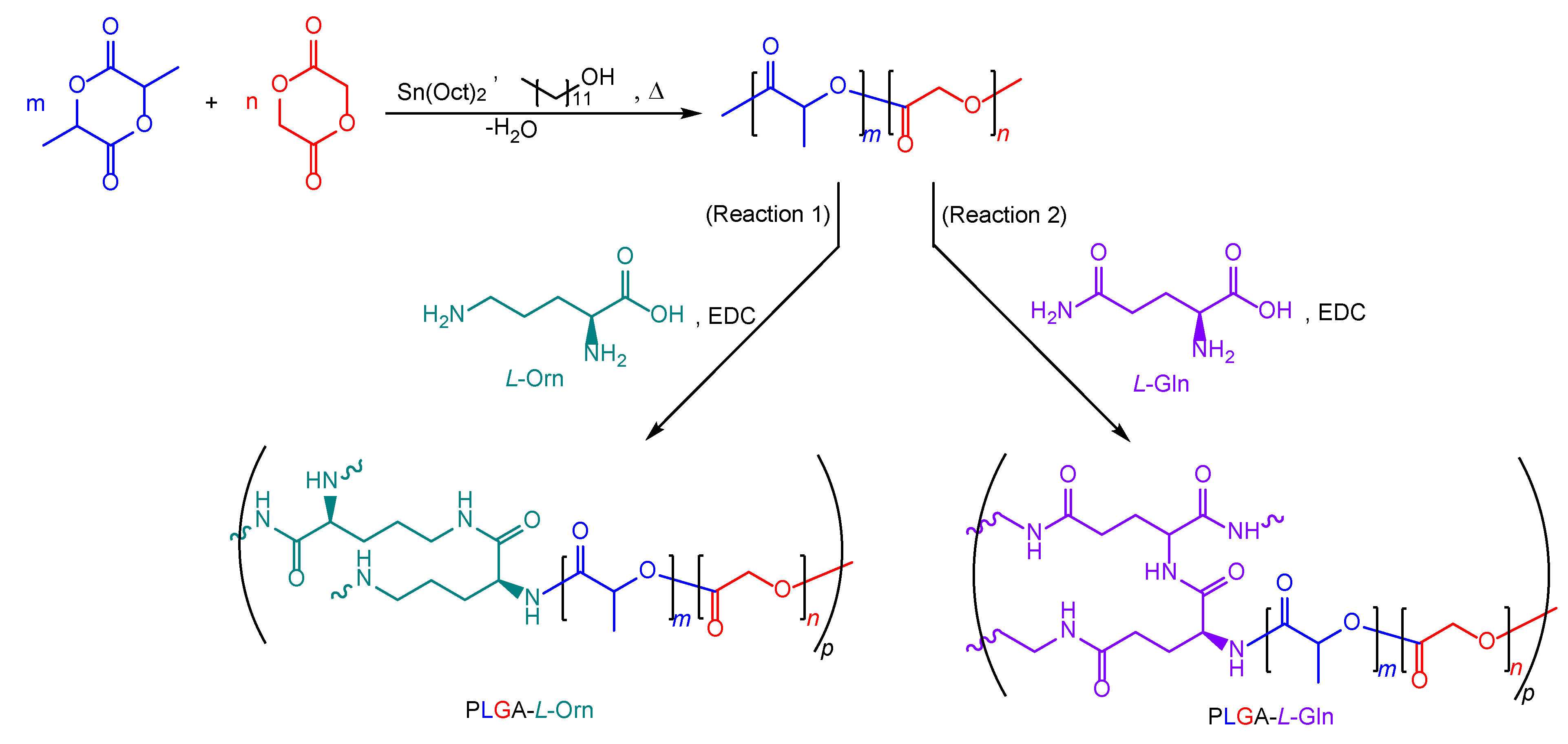
L-Ornithine can also be chemically synthesized using different routes. Some common methods include:
Strecker synthesis: This method involves the reaction of an aldehyde (such as glyoxylic acid or formaldehyde), ammonia, and hydrocyanic acid (or its derivative) to produce L-Ornithine.
Racemization and resolution: Racemization of L-Ornithine can be carried out by reacting it with a racemizing agent, followed by resolution using chiral resolving agents to obtain the desired L-Ornithine enantiomer.
Chemoenzymatic synthesis: This approach combines enzymatic reactions with chemical transformations to produce L-Ornithine. For example, enzymatic transamination of keto acids followed by chemical reduction can yield L-Ornithine.
C. Comparison of extraction and synthesis methods:
Extraction from natural sources offers the advantage of obtaining L-Ornithine in its natural form, along with other bioactive compounds present in the source material. However, extraction methods may require significant amounts of raw material and involve complex purification steps to isolate L-Ornithine.
Chemical synthesis provides a more controlled and scalable approach to produce L-Ornithine, offering higher yields and purity.
Synthetic methods also allow for modification of the chemical structure, enabling the production of derivatives or isotopically labeled forms of L-Ornithine for specific applications.
Additionally, chemical synthesis provides the flexibility to overcome limitations associated with availability or variability of natural sources.
Both extraction and synthesis methods have their advantages and limitations, and our production method choice depends on factors such as cost, availability of raw materials, desired purity, and specific application requirements.
Health Benefits of L-Ornithine
A. Role in the urea cycle and ammonia detoxification:

L-Ornithine Powder plays a crucial role in the urea cycle, a metabolic pathway that occurs primarily in the liver.
In the urea cycle, L-Ornithine acts as a catalyst for the conversion of toxic ammonia, formed during protein metabolism, into urea.
By facilitating the removal of ammonia from the body, L-Ornithine helps maintain proper nitrogen balance and prevents the buildup of ammonia, which can be harmful to various organs, especially the brain.
This function of L-Ornithine is essential for overall metabolic health and the proper functioning of the liver.
B. Promotion of wound healing and tissue repair:
L-Ornithine is involved in the biosynthesis of proline, a key amino acid required for collagen production.
Collagen is a major component of connective tissues and plays a critical role in wound healing, tissue repair, and skin health.
By supporting collagen synthesis, L-Ornithine contributes to the formation of new tissue, accelerates wound healing, and enhances the overall regenerative capacity of the body.
It also aids in the proliferation and migration of fibroblasts, the cells responsible for producing collagen and other components of the extracellular matrix.
C. Potential effects on athletic performance and muscle recovery:

L-Ornithine has been studied for its potential benefits in enhancing athletic performance and muscle recovery.
It is believed to stimulate the release of growth hormone (GH) from the pituitary gland, which plays a role in muscle growth, tissue repair, and metabolism.
Some studies have suggested that L-Ornithine supplementation may increase GH secretion during exercise, leading to improved muscle recovery, reduced exercise-induced fatigue, and enhanced exercise performance.
However, the evidence regarding the direct effects of L-Ornithine on athletic performance is limited and further research is needed to establish its efficacy and optimal dosage.
D. Influence on immune function and stress response:

L-Ornithine has been shown to modulate immune function by enhancing the activity of certain immune cells, such as macrophages and lymphocytes.
It can promote the production of cytokines, which are signaling molecules involved in immune response regulation.
L-Ornithine is also involved in the synthesis of polyamines, which play a role in cell proliferation, differentiation, and immune system modulation.
Additionally, L-Ornithine has been studied for its potential to reduce stress-related biochemical markers and promote a sense of well-being, potentially contributing to improved stress response and mental health.
E. Other proposed health benefits and ongoing research:
L-Ornithine has been the subject of ongoing research, and several other potential health benefits have been proposed.
Some studies suggest that L-Ornithine may have hepatoprotective properties, protecting liver cells from damage caused by toxins or oxidative stress.
It has also been investigated for its potential role in improving sleep quality and reducing fatigue.
Moreover, L-Ornithine has been explored for its possible effects on lipid metabolism, weight management, and cardiovascular health.
Ongoing research aims to further elucidate the mechanisms and potential applications of L-Ornithine in various areas of human health and disease.
Applications of L-Ornithine
A. Sports and fitness supplements:
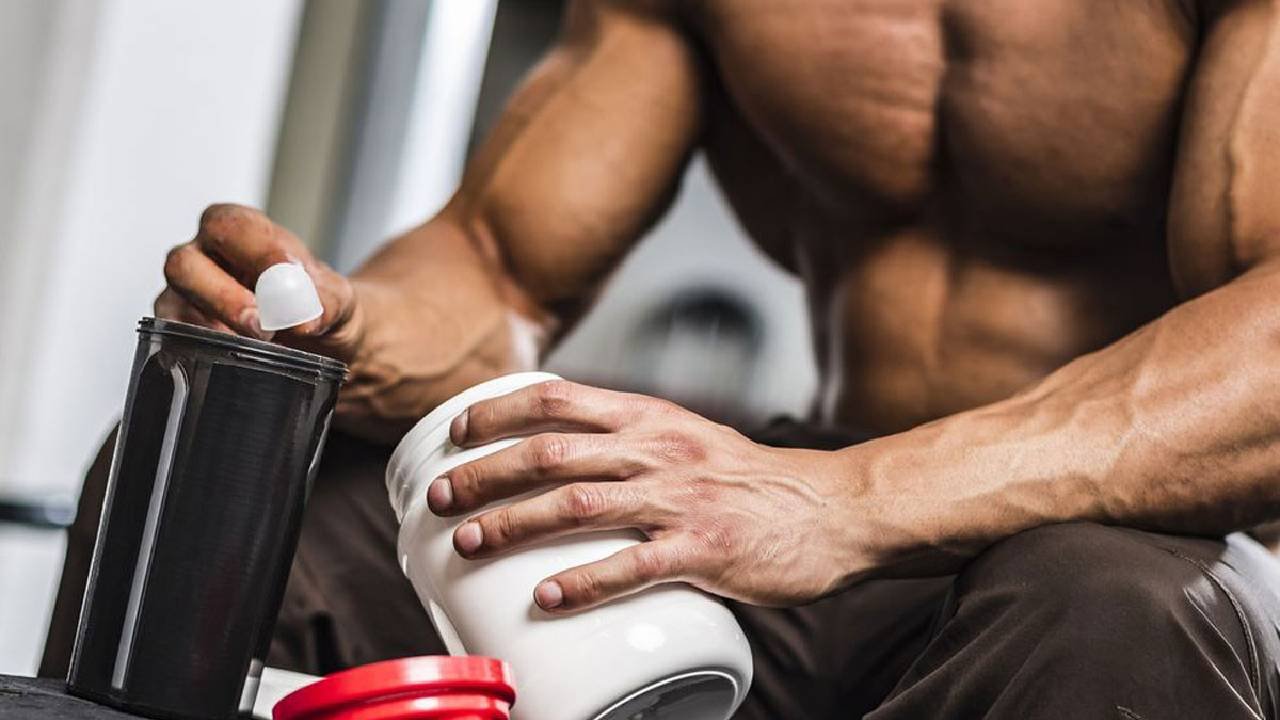
L-Ornithine is commonly used as a component in sports and fitness supplements.
Due to its potential role in promoting growth hormone release and supporting muscle recovery, L-Ornithine is often included in pre-workout and post-workout formulations.
It is believed to aid in muscle repair, reduce exercise-induced fatigue, and enhance exercise performance.
L-Ornithine may be combined with other amino acids, vitamins, minerals, and herbal extracts in these supplements to optimize their effects on athletic performance and recovery.
B. Nutritional and dietary supplements:

L-Ornithine is also utilized in nutritional and dietary supplements.
It may be included in formulations targeting specific health concerns, such as liver health, detoxification, and immune support.
L-Ornithine's role in the urea cycle and ammonia detoxification makes it valuable in supporting proper nitrogen metabolism and maintaining overall metabolic health.
These supplements may combine L-Ornithine with other nutrients, antioxidants, or botanical extracts to provide comprehensive support for specific health goals.
C. Pharmaceuticals and medical applications:

L-Ornithine finds applications in the pharmaceutical industry.
It may be used as an ingredient in medications or formulations targeting liver diseases, metabolic disorders, or conditions related to ammonia toxicity.
Pharmaceutical-grade L-Ornithine may be used in clinical settings for therapeutic purposes, under the guidance of healthcare professionals.
Additionally, L-Ornithine may be utilized in the development of drug delivery systems and formulations for improved bioavailability and targeted delivery of active pharmaceutical ingredients.
D. Cosmetics and skincare products:
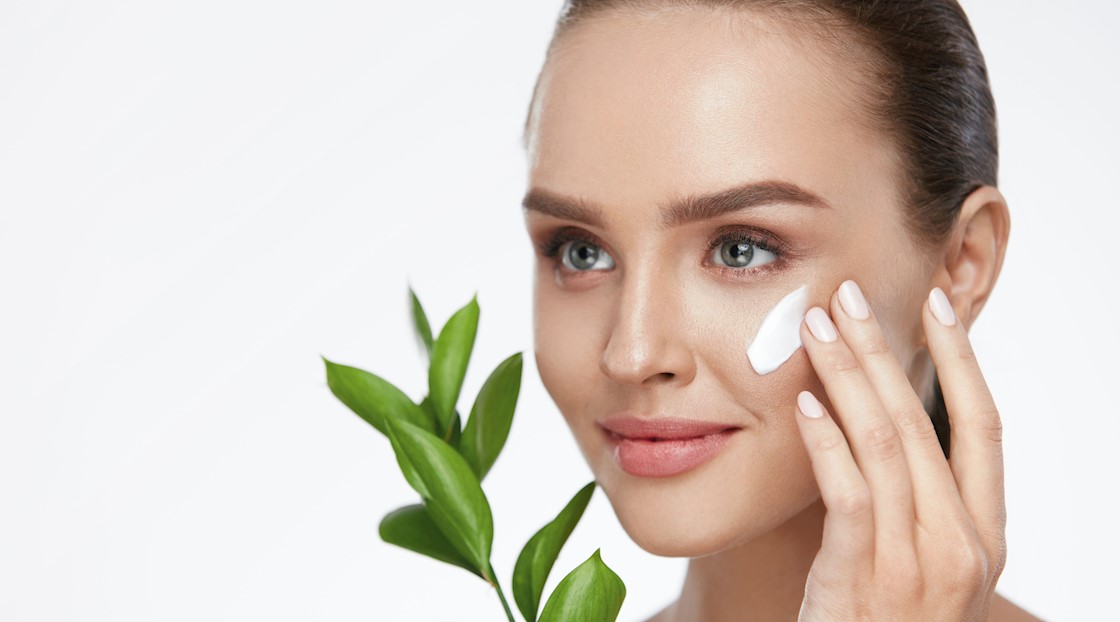
L-Ornithine is employed in the cosmetic and skincare industry.
Its role in collagen synthesis and wound healing makes it a valuable ingredient in products targeting skin health, anti-aging, and wound repair.
L-Ornithine powder may be incorporated into creams, lotions, serums, and masks to support the formation of new collagen, improve skin elasticity, and promote a more youthful appearance.
It may also be used in products aimed at reducing the appearance of scars, promoting tissue regeneration, and enhancing overall skin health.
our advantages


Packing And Shipping

If you want to Purchase high-quality L-Ornithine Powder please feel free to contact us at Sales@Kintaibio.Com or feedback on the next page. Whatsapp:+86 133 4743 6038 Site web: www.kintai-bio.com | http://en.kintaibio.com
Hot Tags: l-ornithine powder, China l-ornithine powder manufacturers, suppliers, factory, L Tyrosine Bulk Powder, L Ornithine Powder, L Proline Powder, L Cysteine Powder, L histidine Powder, L Methionine Powder